

Degenerative Diseases Of The Spine
Degenerative Diseases Of The Spine
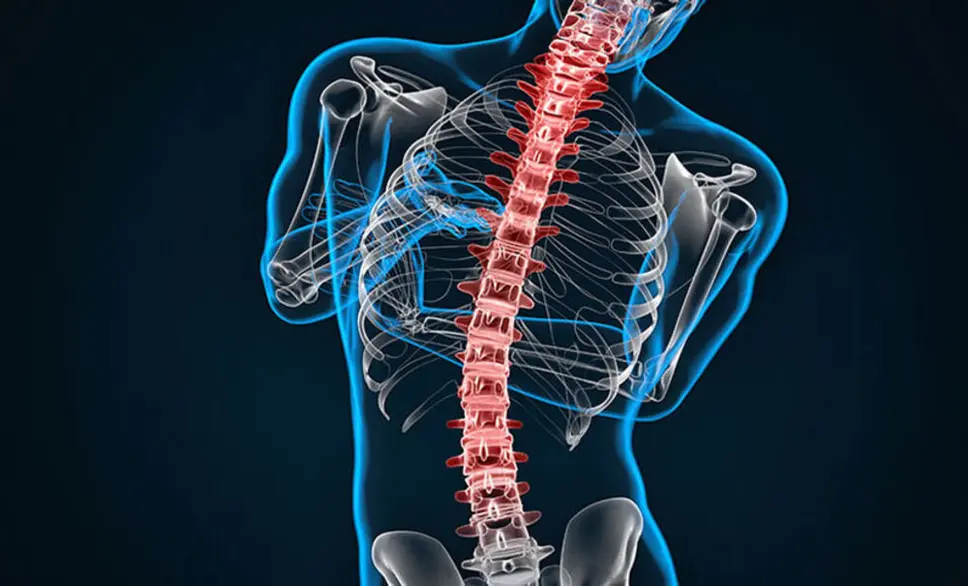
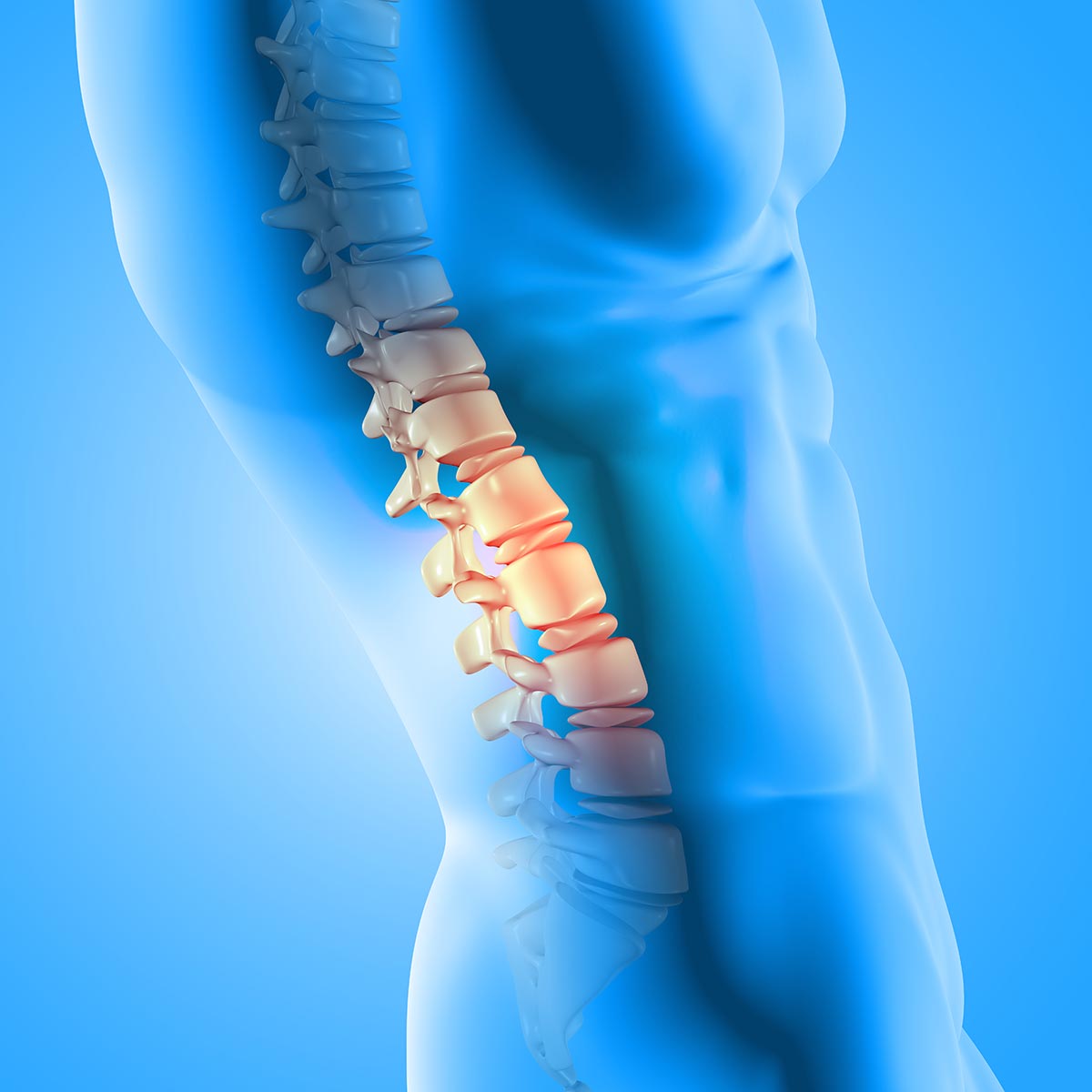
an important focus within the clinical and academic practice of Prof. Dr. Alper Kaya, represent a group of conditions resulting from the gradual wear and functional deterioration of the discs, joints, ligaments, and bony structures of the spine. This process typically progresses slowly and may significantly impair quality of life if not recognized early.
What Are Degenerative Spine Diseases?
Degenerative spine diseases develop as part of the aging process or due to mechanical stress, postural disorders, and genetic predisposition. These conditions disrupt the spine’s natural flexibility and stability, leading to pain, restricted mobility, and neurological symptoms.
Common degenerative conditions include:
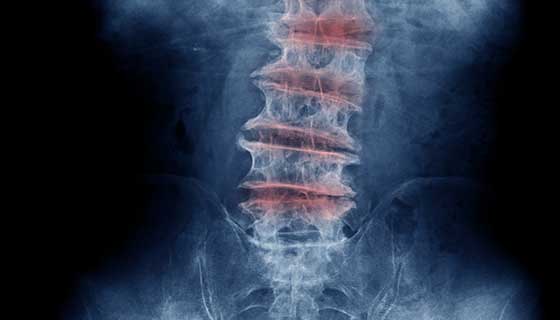
- Disc degeneration
- Spinal canal stenosis
- Facet joint arthrosis
- Vertebral slippage (spondylolisthesis
.
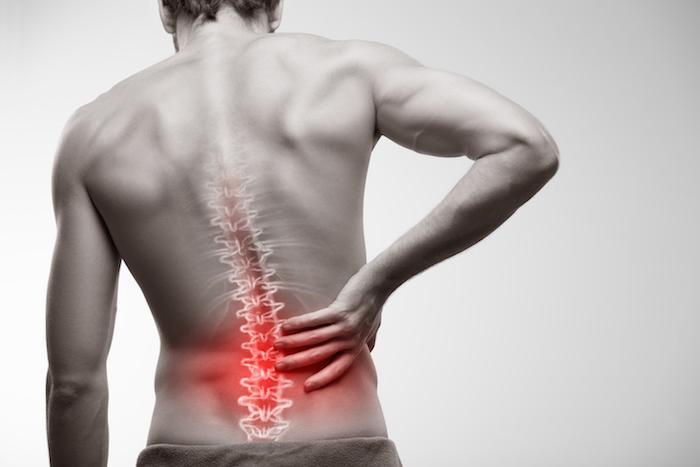
Symptoms vary depending on the location and severity of degeneration. Common findings include
- Neck, back, or lower back pain
- Pain that increases with prolonged standing or walking
- Numbness and tingling in the arms or legs
- Muscle weakness
- Difficulty performing daily activities
Symptoms may fluctuate over time or progressively worsen in some patients.
Diagnostic Evaluation
Diagnosis is not based solely on imaging. The evaluation process includes:
- Detailed neurological and orthopedic examination
- Magnetic Resonance Imaging (MRI)
- Computed Tomography (CT) when indicated
- Assessment of symptom progression over time
The goal is to clearly define the relationship between structural changes and the clinical presentation
Treatment Approach
Treatment of degenerative spine diseases is stepwise and individualized. Surgery is not always the first option. Treatment planning takes into account:
- Patient’s age
- Severity of symptoms
- Presence of neurological deficits
- Impact on quality of daily life
Surgical treatment is considered in cases of
progressive neurological impairment or significant functional limitation. Surgical goals include
- Relief of neural compression
- Preservation or restoration of spinal alignment and stability
- Achievement of long-term functional improvement
Follow-up and Long-Term Management
Degenerative spine diseases often require long-term follow-up. Post-treatment management includes:
- Regular clinical assessments
- Radiological monitoring
- Optimization of lifestyle and posture habits
The objective is not only symptom relief but also slowing disease progression and preserving quality of life.