

Spinal Canal Stenosis
Spinal Canal Stenosis
Cervical and lumbar spinal canal stenosis, one of the areas of expertise of Prof. Dr. Alper Kaya, are neurosurgical conditions in which the spinal canal narrows and compresses the spinal cord or nerve roots. These disorders are typically progressive and can significantly impair quality of life if left untreated.
What Is Spinal Canal Stenosis?
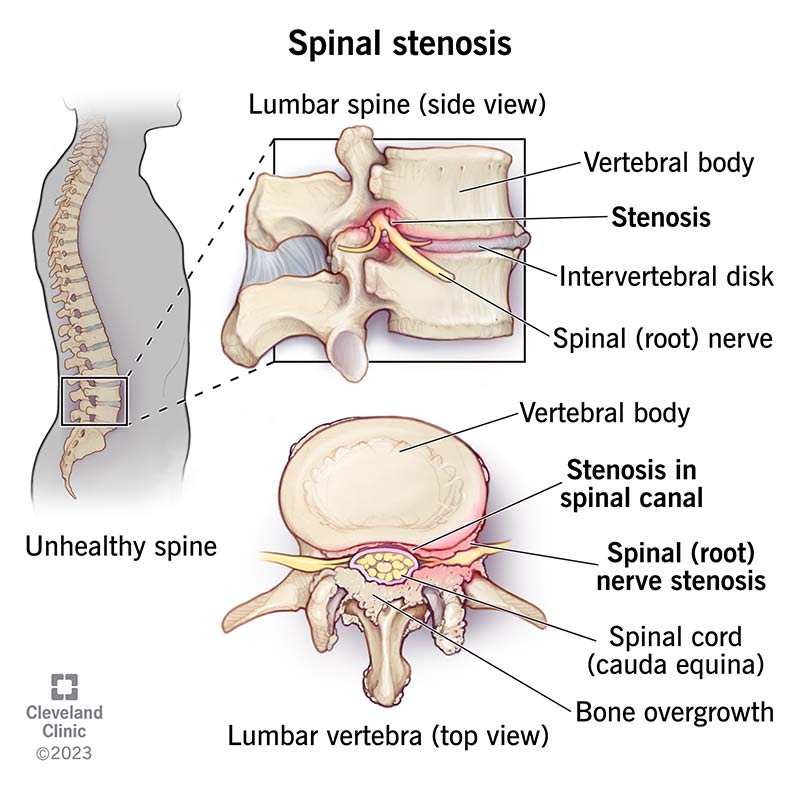
The spinal canal is an anatomical structure composed of bone and ligamentous tissues that protect the spinal cord and nerve roots. Narrowing of this canal due to:
- Bony overgrowth
- Disc degeneration
- Thickening of ligamentous structures
- Vertebral slippage
is defined as spinal canal stenosis. This narrowing results in compression of neural structures and the development of neurological symptoms
Differences Between Cervical and Lumbar Stenosis
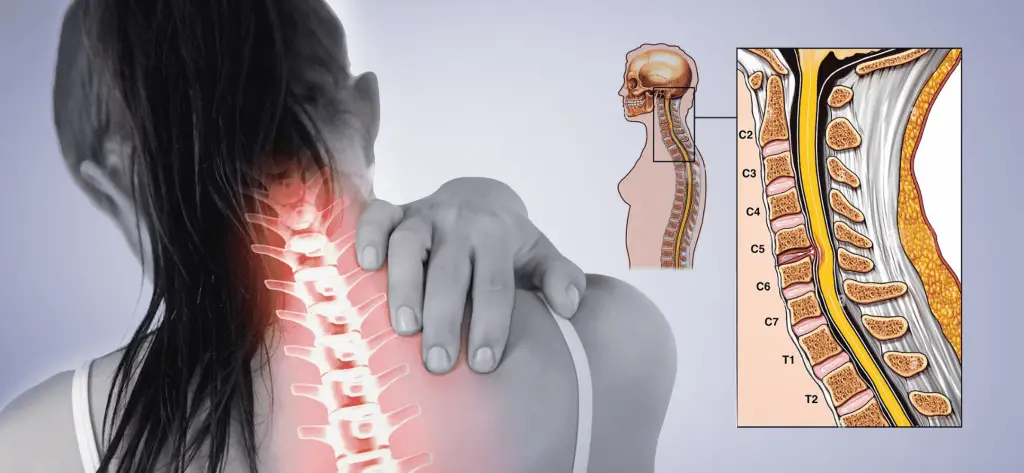
- Cervical stenosis may directly affect the spinal cord, leading to symptoms involving the arms, legs, balance, and fine motor skills.
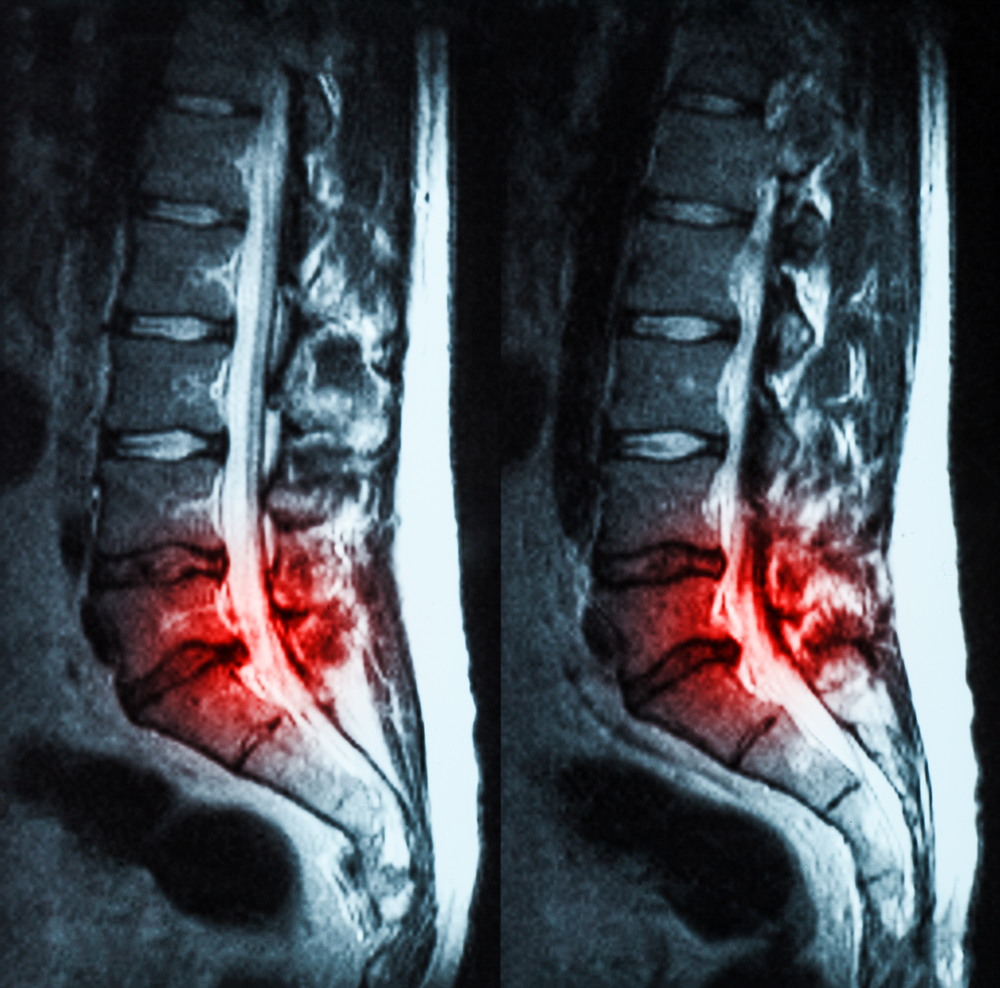
- Lumbar stenosis more commonly causes leg pain, numbness, and reduced walking distance, often relieved by rest.
Each region presents distinct clinical features and requires separate evaluation
.
Symptoms usually progress gradually and may include
- Neck or lower back pain
- Numbness and tingling in the arms or legs
- Muscle weakness
- Increased pain during walking and early fatigue
- In advanced cases, balance disturbances and difficulty with fine motor tasks
In lumbar stenosis, patients frequently report pain that worsens with walking and improves with rest.
Diagnostic Evaluation
Diagnosis is not based solely on imaging studies. The evaluation process includes:
- Detailed neurological examination
- Magnetic Resonance Imaging (MRI)
- Computed Tomography (CT) when indicated
- Assessment of the impact of symptoms on daily life
The goal is to establish accurate clinical correlation between anatomical narrowing and patient complaints.
Treatment Approach
Treatment is stepwise and individualized. Surgery is not required for every patient. Treatment planning is based on
- Severity of stenosis
- Presence of neurological deficits
- Progression of symptoms
When surgery is indicated, the primary goals are:
When surgical treatment is indicated, the primary objectives are:
- Safe decompression of neural structures
- Preservation or restoration of spinal stability
- Improvement of mobility and quality of life
Follow-up and Long-Term Management
Spinal canal stenosis often requires long-term follow-up. Post-treatment care includes:
- Clinical evaluations
- Radiological monitoring
•Lifestyle and posture optimization
The objective is not only symptom relief but also preservation of functional independence.