

Lumbar Disc Herniation
Lumbar Disc Herniation
Lumbar disc herniation, one of the frequently encountered conditions within the field of expertise of Prof. Dr. Alper Kaya, occurs when the intervertebral discs in the lower spine lose their structural integrity and compress neural structures. Today, lumbar disc herniation is observed not only in individuals performing heavy physical work but also across all age groups due to sedentary lifestyles, prolonged sitting, and poor posture habits.
What Is Lumbar Disc Herniation?
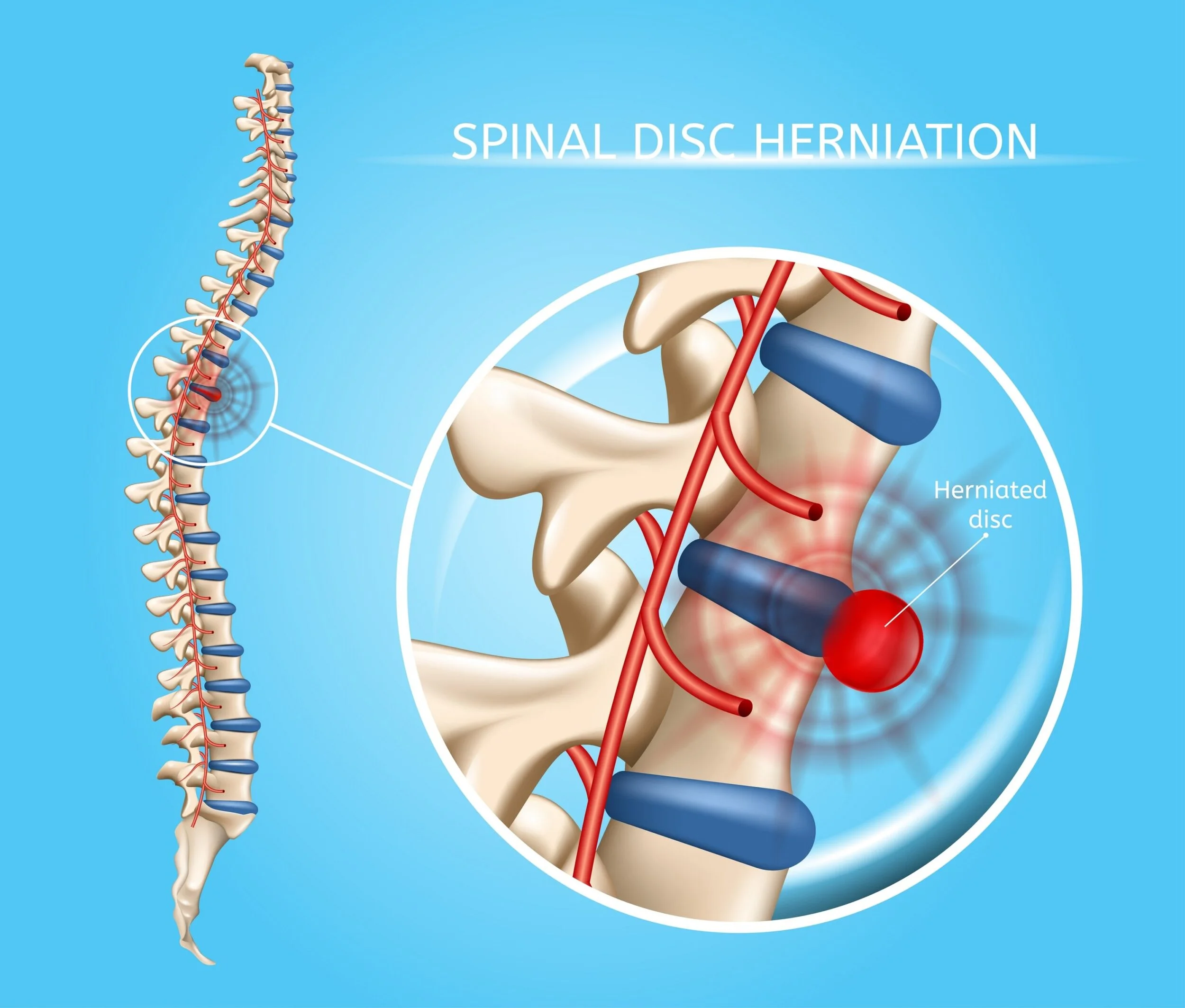
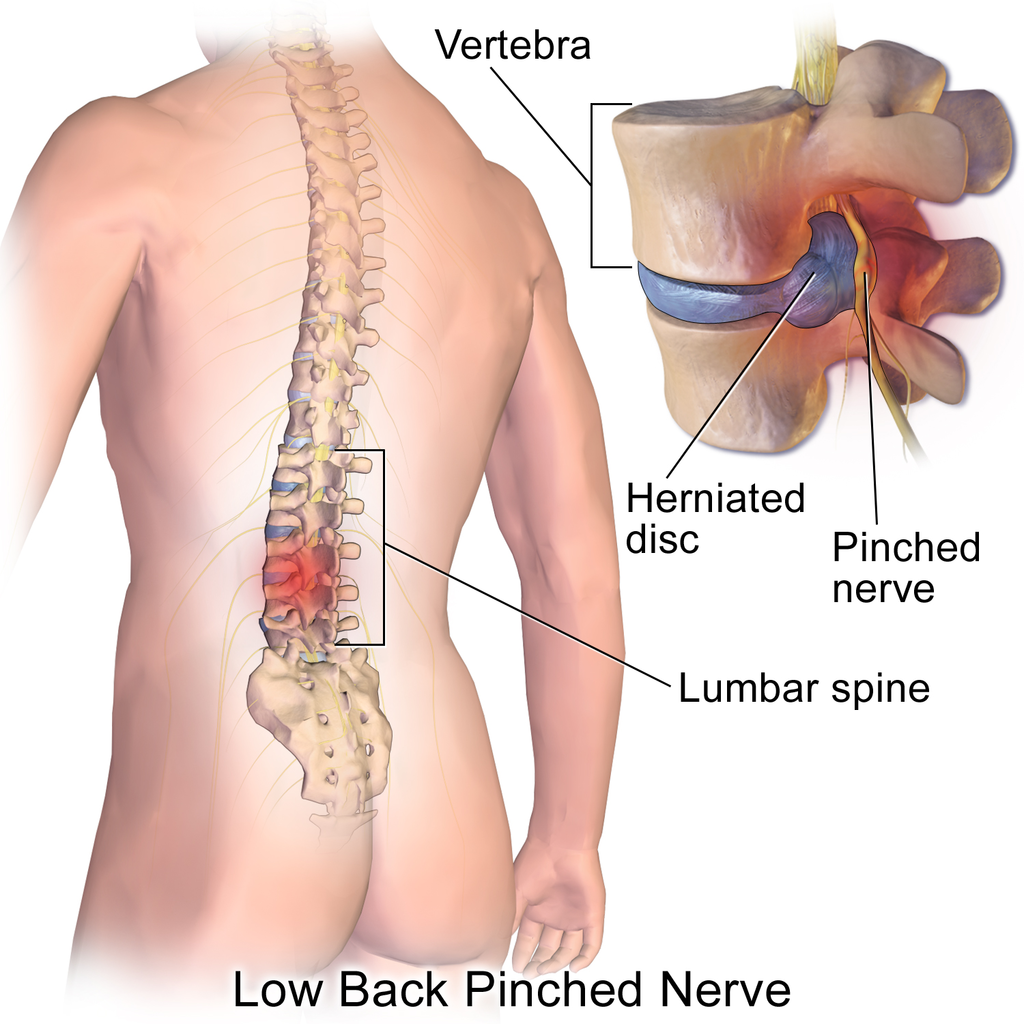
The discs located between the vertebrae function as load-bearing and motion-facilitating structures. When the outer layer of a disc weakens or tears, the inner material protrudes outward, resulting in lumbar disc herniation. This protrusion may compress nerve roots exiting the spinal cord, leading to pain and neurological symptoms.
Symptoms
Symptoms vary depending on the location of the herniation and the degree of nerve compression. Common symptoms include:
- Lower back pain
- Pain radiating to the hip, leg, and foot (sciatic pain)
- Numbness and tingling in the legs
- Muscle weakness
- Pain aggravated by prolonged standing or sitting
In advanced and untreated cases, bladder and bowel control problems may occur.
Diagnostic Evaluation
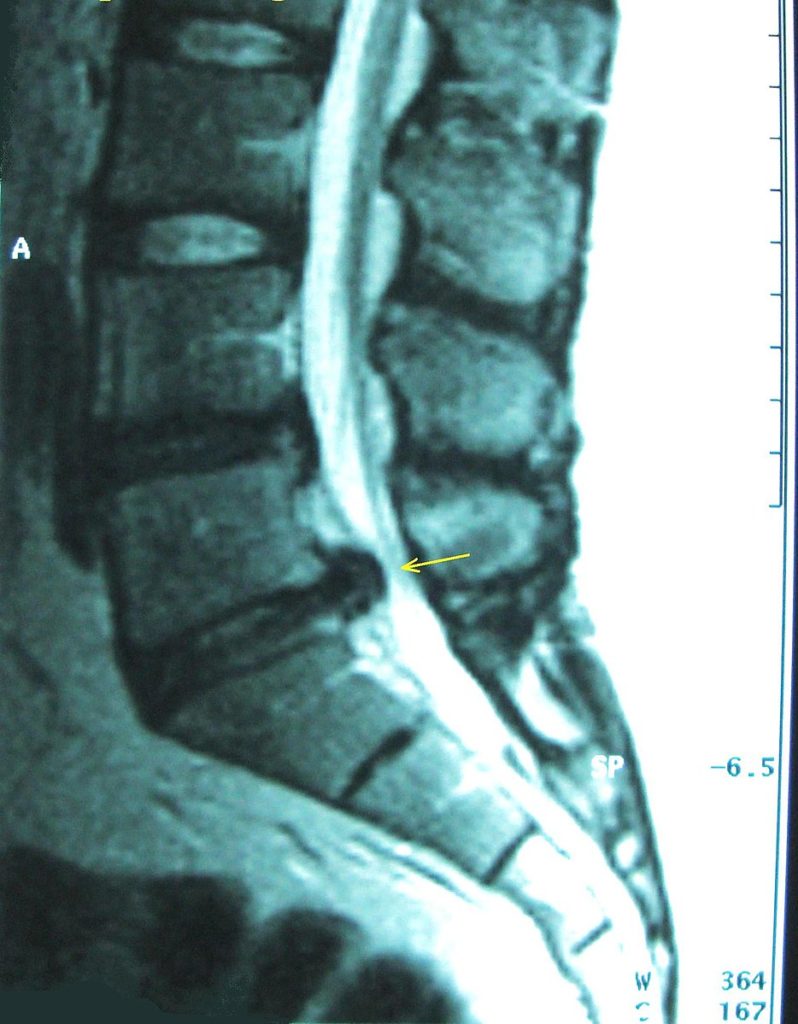
Diagnosis is not based solely on MRI findings. The evaluation process includes:
- Detailed neurological examination
- Magnetic Resonance Imaging (MRI)
- Evaluation of the impact of symptoms on daily life
The goal is to ensure consistency between imaging findings and the patient’s clinical presentation.
Treatment Approach
Surgery is not always the first-line treatment for lumbar disc herniation. The treatment plan is determined based on:
- Severity of symptoms
- Presence of neurological deficits
- Impact on quality of daily life
When surgery is indicated, the primary goals are:
When conservative treatments are insufficient or progressive neurological deficits develop, surgical treatment is considered. The goals of surgery are:
- Relief of nerve compression
- Preservation of healthy tissues
- Restoration of a pain-free and functional life
The post-treatment period is as important as the treatment itself. Follow-up includes:
- Clinical evaluations
- Radiological monitoring
- Optimization of lifestyle and posture habits
within a structured follow-up plan.