

Brain Aneurysms And Vascular Malformations
Brain Aneurysms And Vascular Malformations
Brain aneurysms and vascular malformations, among the areas of expertise of Prof. Dr. Alper Kaya, constitute a group of high-risk neurovascular disorders involving abnormalities of cerebral blood vessels. These conditions may remain asymptomatic for long periods but can lead to severe and permanent neurological consequences when rupture or bleeding occurs.
What Is a Brain Aneurysm?
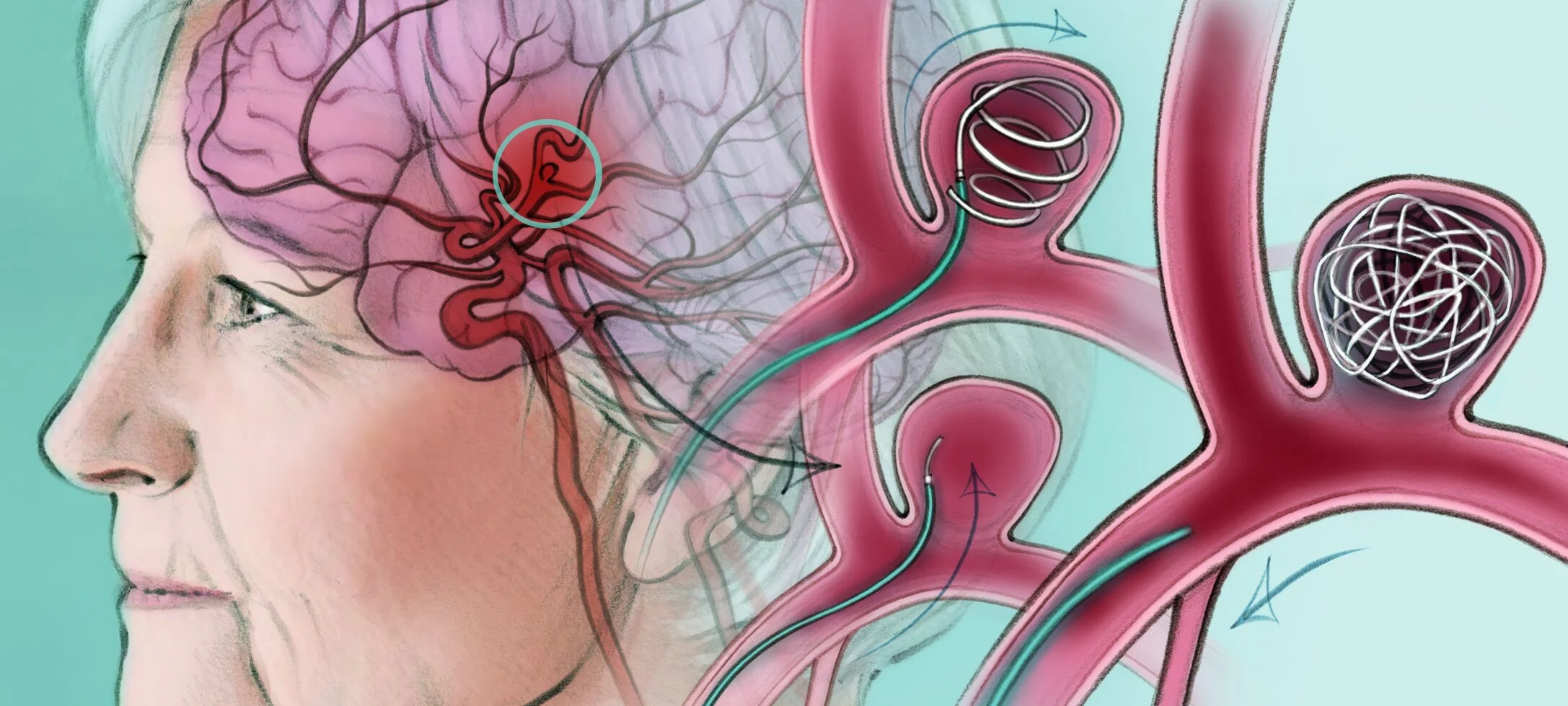
A brain aneurysm is a balloon-like dilation caused by weakening of the vessel wall in a cerebral artery. Aneurysms may:
- Remain silent for years
- Be detected incidentally during imaging
- Cause intracranial hemorrhage if ruptured
Treatment decisions depend on the size, location, and vascular characteristics of the aneurysm
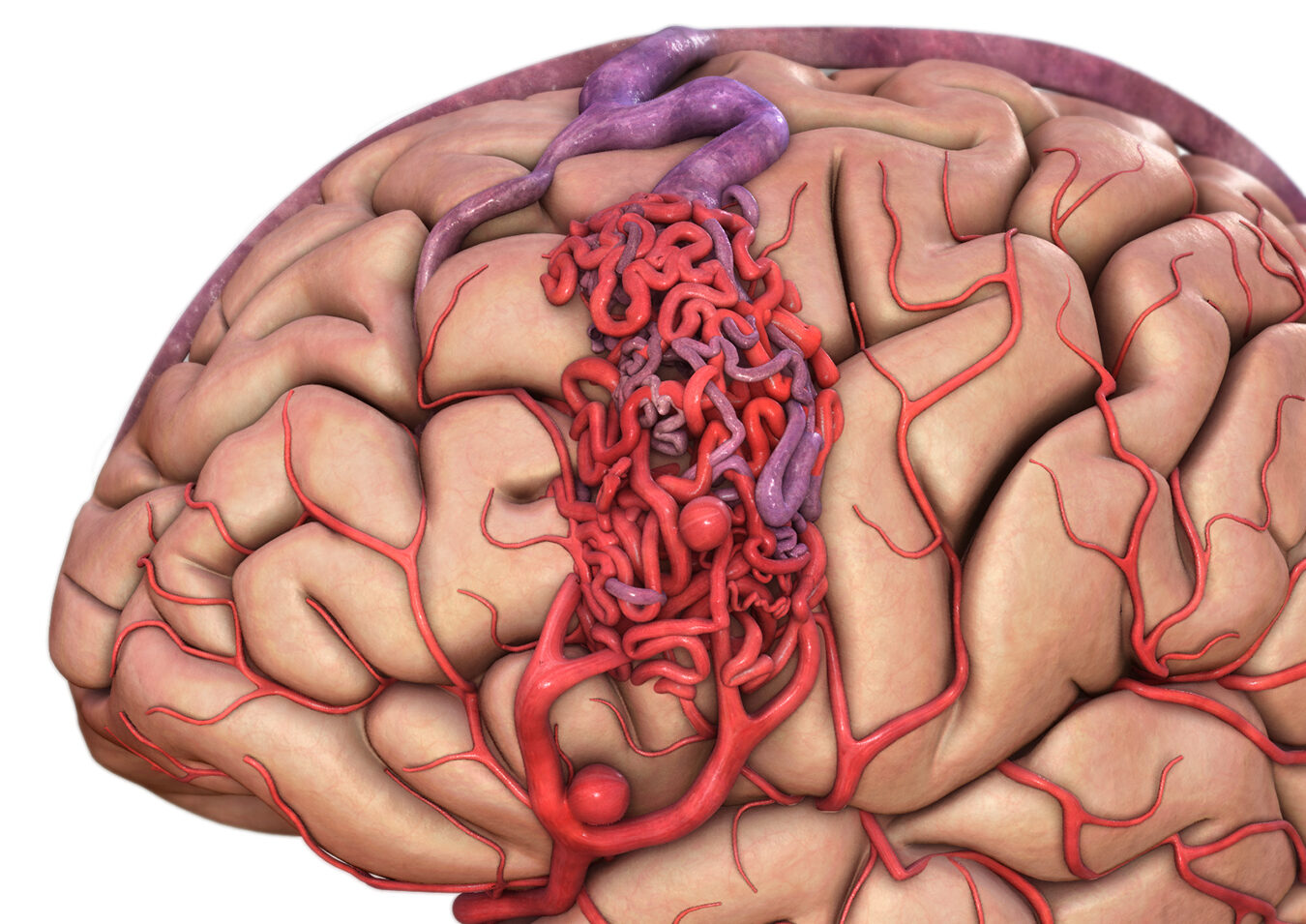
What Are Vascular Malformations (Arteriovenous Malformations)?
Vascular malformations, medically referred to as arteriovenous malformations (AVMs), occur due to abnormal direct connections between arteries and veins without an intervening capillary network. These lesions may:
- Disrupt normal blood flow
- • Increase pressure within vessels
- Raise the risk of intracranial hemorrhage
AVMs are often congenital and may present with bleeding at a young age.
.
.
Symptoms and Clinical Findings
Clinical presentation varies depending on the lesion.
In aneurysms:
- Sudden, severe headache
- Nausea and vomiting
- Altered consciousness
- Visual disturbances
In vascular malformations (AVMs):
- Headache
- Neurological deficits
- Nörolojik defisitler
- Sudden intracranial hemorrhage
Some lesions may be detected incidentally and managed through careful monitoring.
Diagnostic Evaluation
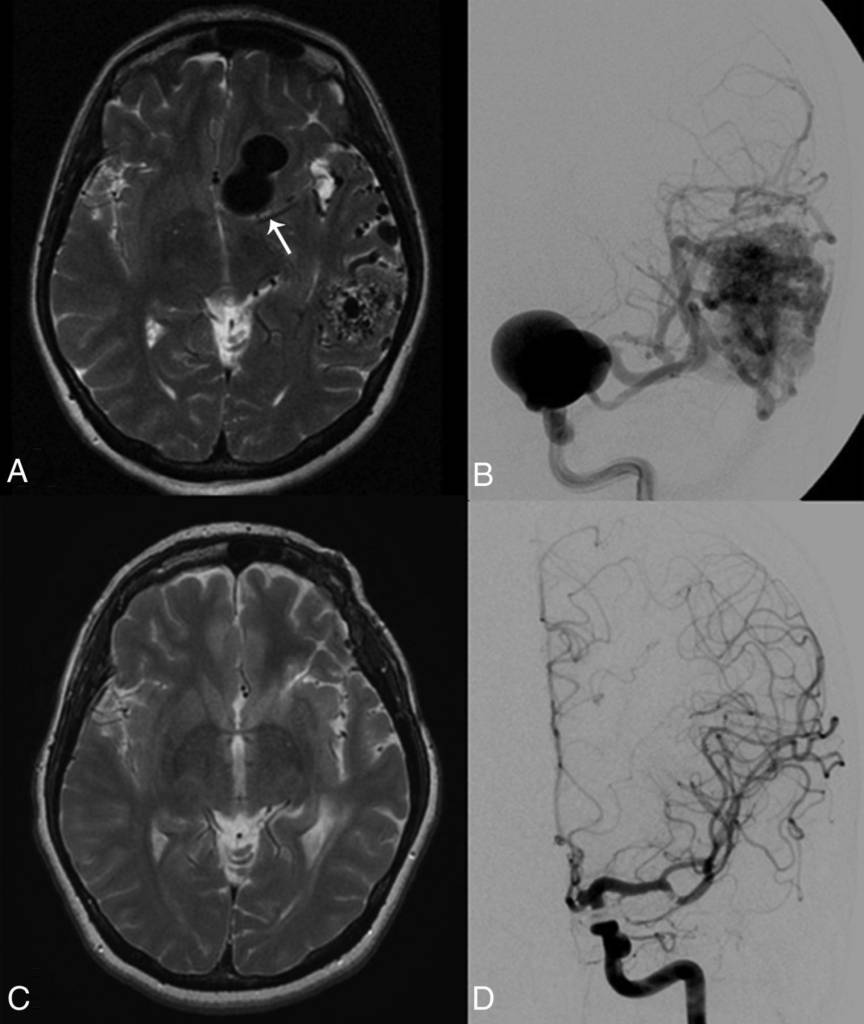
Accurate diagnosis requires advanced imaging techniques, including:
- Magnetic Resonance Imaging (MRI)
- Computed Tomography (CT)
- Cerebral angiography
- Assessment of clinical findings and risk factors
The goal is to obtain a detailed, three-dimensional understanding of the vascular anatomy.
Treatment Approach
Treatment is individualized based on patient and lesion characteristics. Options may include:
- Close observation
- Microsurgical intervention
- Endovascular techniques
- Multidisciplinary treatment planning
The primary objective is to minimize bleeding risk while preserving neurological function.
Follow-up and Long-Term Management
Long-term follow-up is essential after diagnosis or treatment. This includes
- Regular clinical assessments
- Imaging-based monitoring
•Re-evaluation when necessary
The goal is to ensure patient safety and maintain a sustained quality of life.