

Brain And Spinal Cord Tumors
Brain And Spinal Cord Tumors
Adult and pediatric brain and spinal cord tumors represent one of the most demanding fields of neurosurgery, requiring a high level of precision, experience, and a multidisciplinary approach. These conditions demand not only surgical expertise but also a treatment strategy tailored to the patient’s age, tumor type, and neurological development.
What Are Brain and Spinal Cord Tumors?
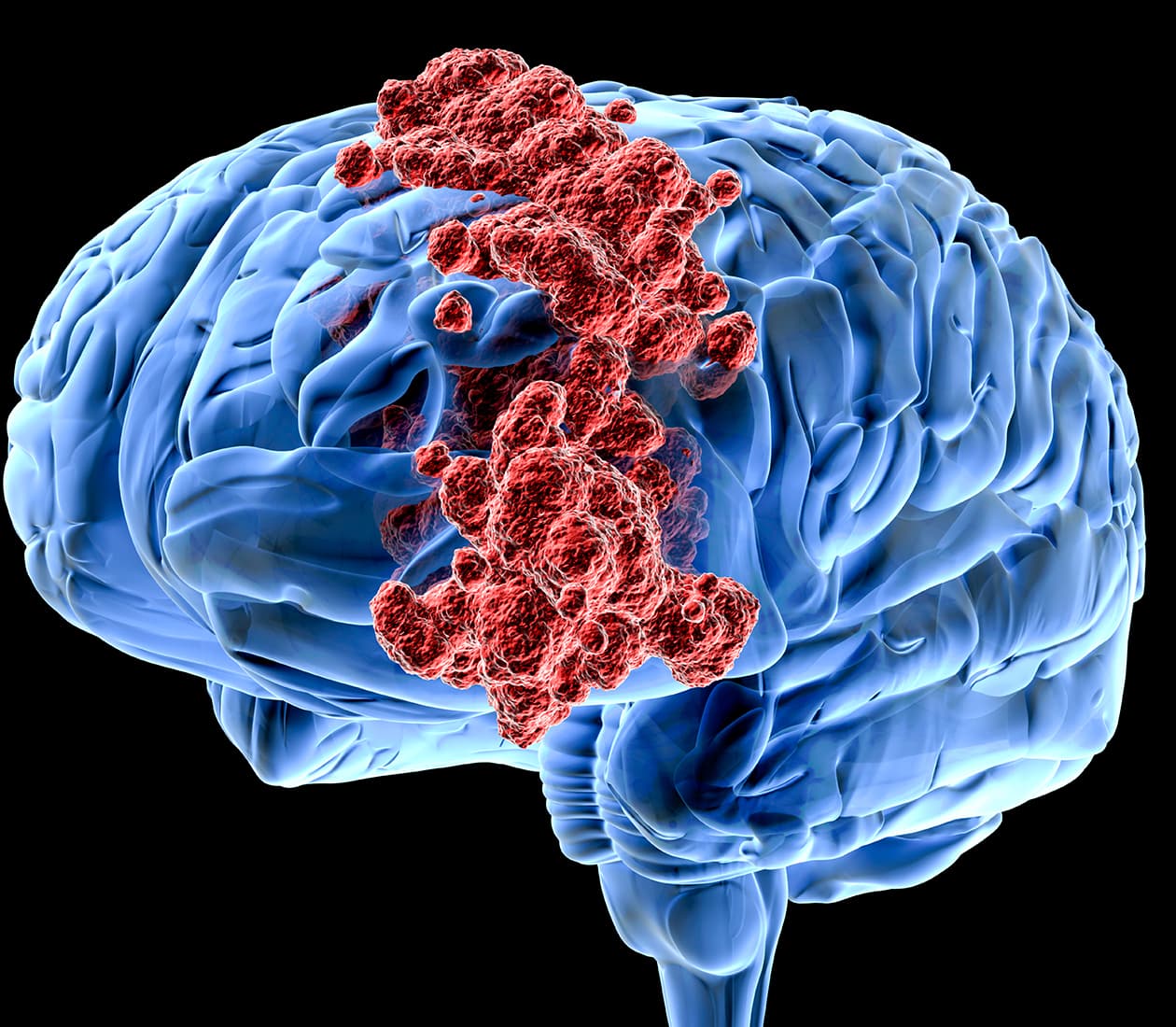
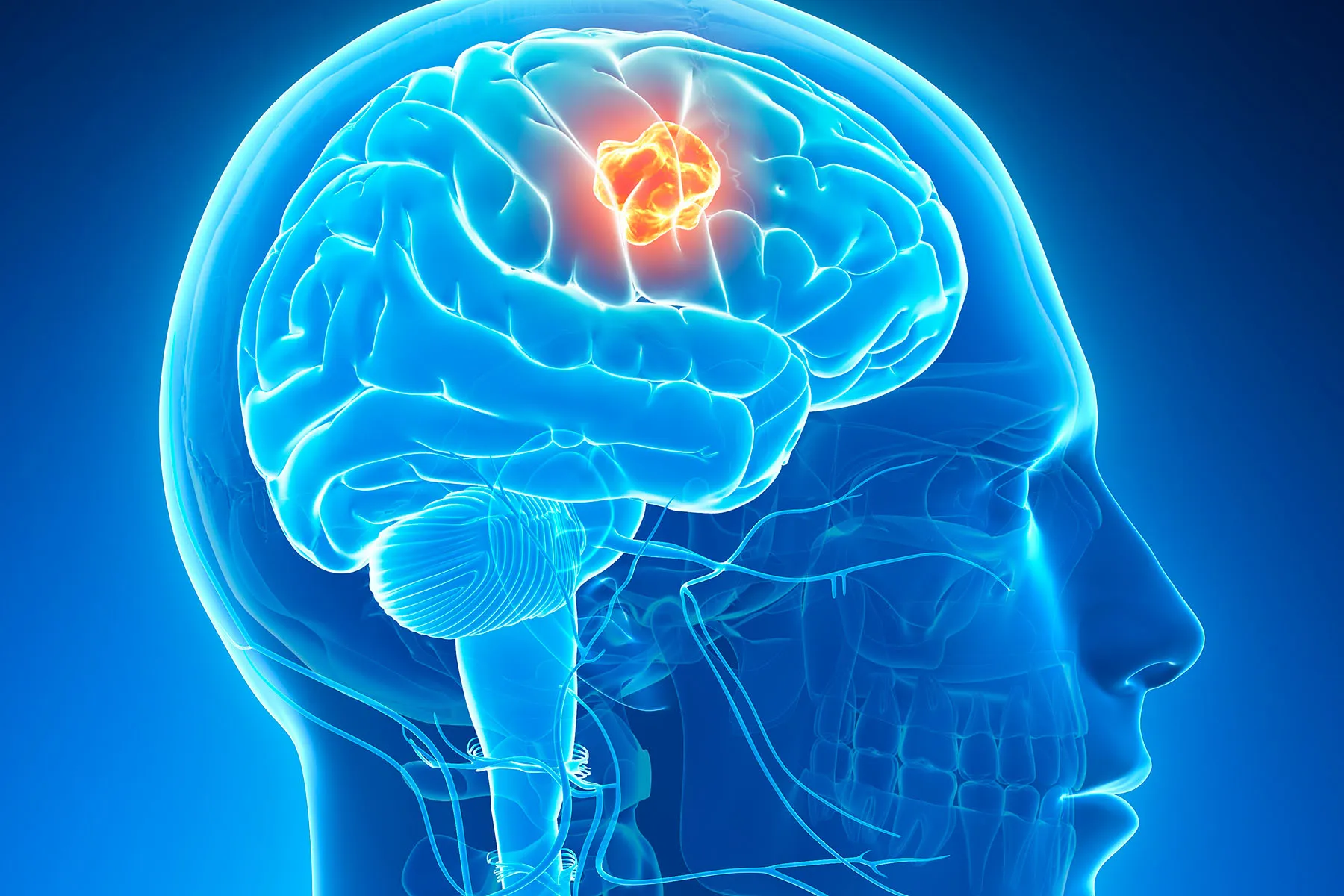
Brain and spinal cord tumors are mass lesions located within the central nervous system and may be benign or malignant. Key factors influencing treatment planning include:
- Tumor location
- Growth characteristics
- Relationship with neural tissue
- Patient’s age and general health status
Patient’s age and general health status
Key Differences Between Adult and Pediatric Patients
In pediatric patients, brain and spinal cord tumors often exhibit biological behaviors different from those seen in adults. During childhood:
- The nervous system is still developing
- ong-term neurological and cognitive outcomes become more critical
- Growth and developmental factors must be carefully considered in treatment planning
Therefore, pediatric cases require a distinct level of expertise and sensitivity, separate from adult tumor management.
Diagnostic and Evaluation Process
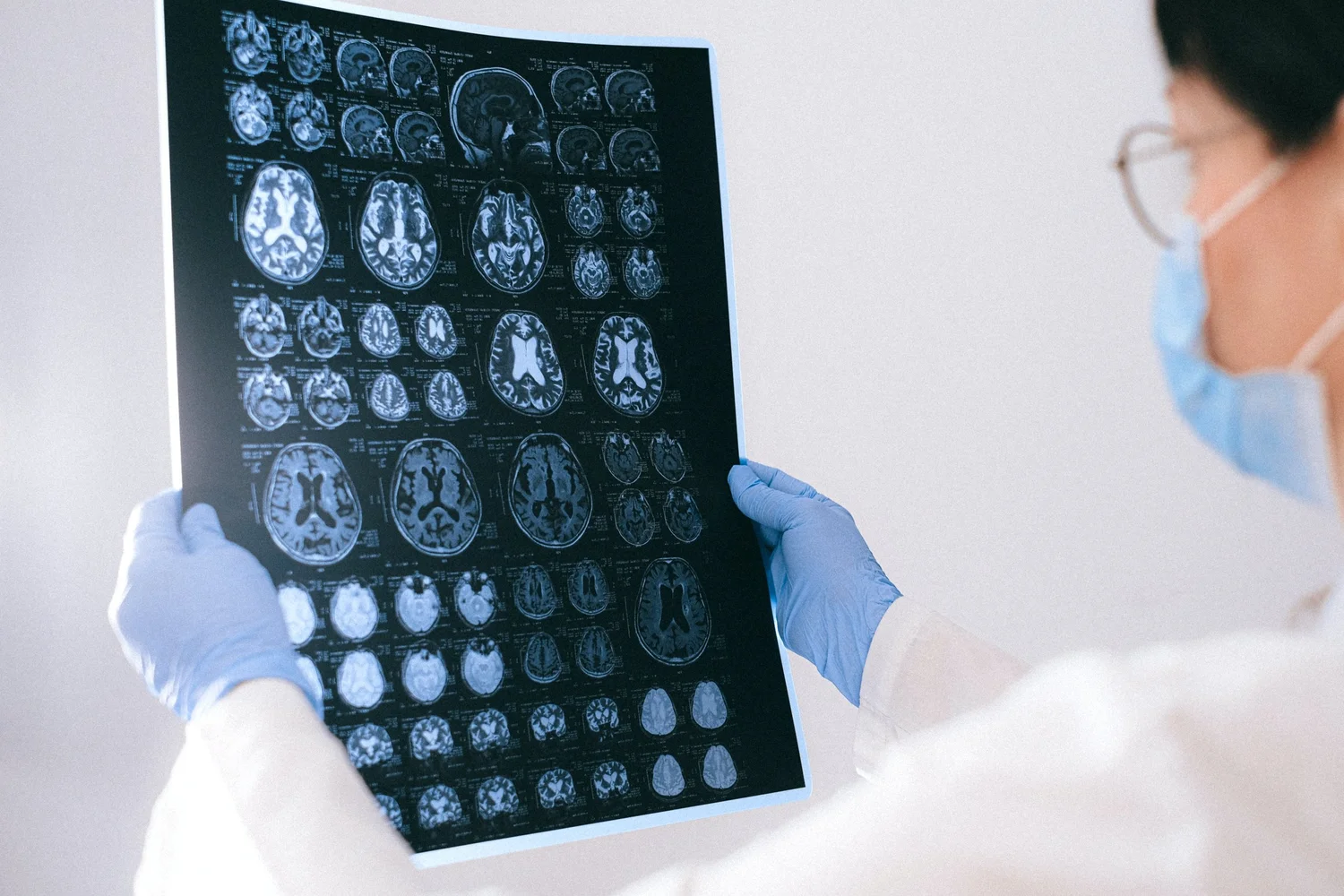
Diagnosis is not limited to imaging alone. The evaluation process includes:
- Detailed neurological examination
- Magnetic Resonance Imaging (MRI)
- Advanced diagnostic methods when necessary
- Assessment of the clinical course over time
The goal is to determine not only the presence of the tumor, but also its functional impact on the nervous system.
Surgical Approach and Treatment Principles
The primary surgical objectives in brain and spinal cord tumors are:
- Safe and maximal tumor removal when possible
- Preservation of healthy neural tissue
- Maintenance of neurological functions
Microsurgical techniques, advanced surgical planning, and extensive experience play a central role in achieving these goals.
Surgical decisions are made on an individualized basis, taking into account:
Post-Treatment Follow-up
Brain and spinal cord tumors require close and long-term follow-up after treatment. Postoperative care includes:
- Clinical evaluations
- Radiological monitoring
- Patient’s age
within a structured long-term follow-up plan.