

Cerebellar Tonsillar Herniation
Cerebellar Tonsillar Herniation
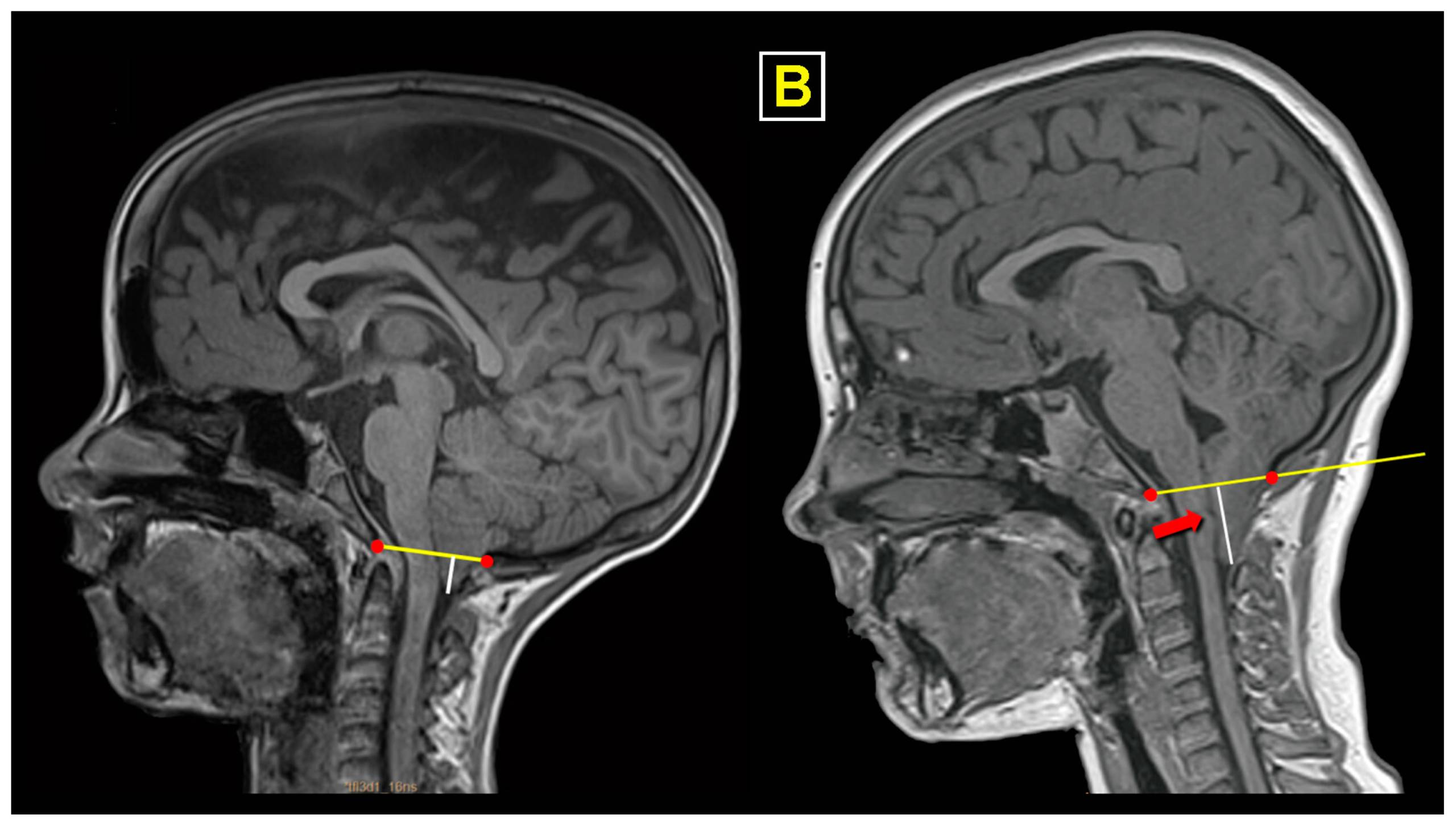
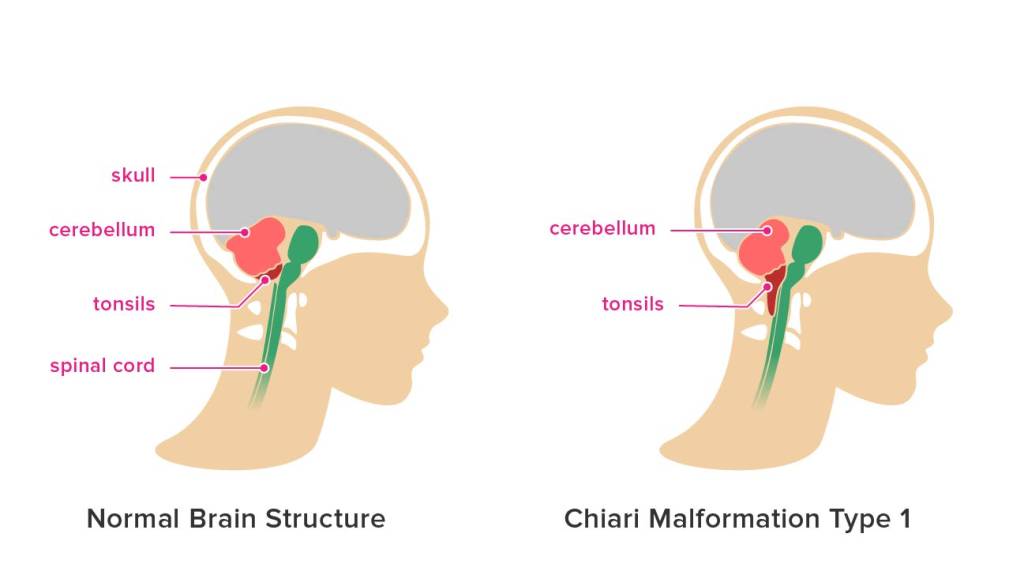
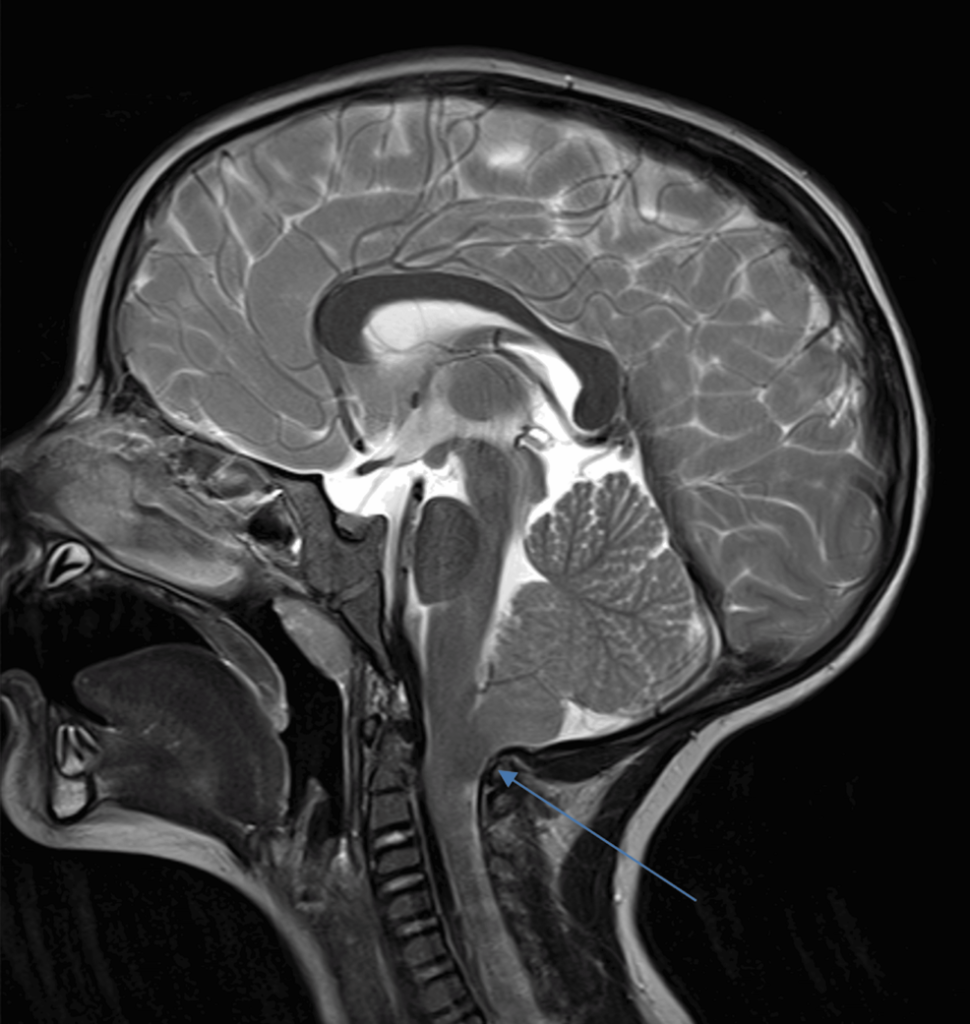
Arnold–Chiari malformation, one of the conditions requiring advanced expertise in the practice of Prof. Dr. Alper Kaya, is a neurological disorder characterized by the downward displacement of the lower parts of the cerebellum into the spinal canal. This condition may be congenital or acquired and can disrupt the normal circulation of cerebrospinal fluid, leading to various neurological symptoms.
What Is Arnold–Chiari Malformation?
Arnold–Chiari malformation results from an anatomical mismatch between the skull and the brain, causing the cerebellum to extend beyond its normal boundaries. The most common form is Chiari Type I, which may become symptomatic during childhood or adulthood.
As a result of this displacement
- Cerebrospinal fluid (CSF) flow may be impaired
- The brainstem and spinal cord may be compressed
- Secondary neurological complications may develop over time
.
Symptoms vary among individuals and may develop gradually over years. Common symptoms include:
- Pain at the back of the head and neck (often worsened by coughing or straining)
- Dizziness and balance disturbances
- Neck pain
- Numbness or weakness in the arms and legs
- Difficulty swallowing or voice changes
- In advanced cases, fluid accumulation within the spinal cord (syringomyelia)
Diagnostic Evaluation
Magnetic Resonance Imaging (MRI) is the primary diagnostic tool for Arnold–Chiari malformation. The evaluation process includes:
- Detailed neurological examination
- MRI of the brain and cervical spine
- Assessment of cerebrospinal fluid flow
- Evaluation of the impact of symptoms on daily life
The goal is to assess not only the anatomical displacement but also its functional consequences
Treatment Approach
Not all patients with Arnold–Chiari malformation require surgery. Treatment decisions are based on:
- Severity of symptoms
- Presence of neurological deficits
- Degree of cerebrospinal fluid flow impairment
When surgical treatment is indicated, the main objectives are:
When surgical treatment is indicated, the primary objectives are:
- Reducing pressure on the brain and spinal cord
- Restoring normal cerebrospinal fluid circulation
- Preserving and improving neurological function
Follow-up and Long-Term Management
Careful follow-up is essential for patients with Arnold–Chiari malformation. After treatment or in conservatively managed cases:
- Regular clinical evaluations
- Radiological monitoring with MRI
- Ongoing neurological assessment
are maintained within a structured follow-up plan. The goal is to control disease progression and preserve quality of life.