

General Neurosurgery

General Neurosurgery
General neurosurgery encompasses a broad process ranging from the diagnosis of diseases involving the brain, spinal cord, and peripheral nervous system to surgical decision-making, treatment, and long-term follow-up.
The aim of this approach is to:
• Focus not only on imaging results but also on the patient’s clinical presentation
• Consider surgery as an option, and evaluate all alternatives before it becomes a necessity
• Always prioritize the preservation of neural tissue
Conditions Evaluated Within This Scope
- The main conditions evaluated within the field of general neurosurgery include:
• Brain and spinal cord tumors
• Intracranial masses and space-occupying lesions
• Hydrocephalus and increased intracranial pressure
• Traumatic brain and spinal cord injuries
• Cervical and lumbar disc herniations
• Spinal canal stenosis
• Spinal fractures and structural disorders
• Peripheral nerve compressions and nerve injuries
Each patient is evaluated not under a single heading, but within their own biological and neurological reality - -
.
Approach to Diagnosis
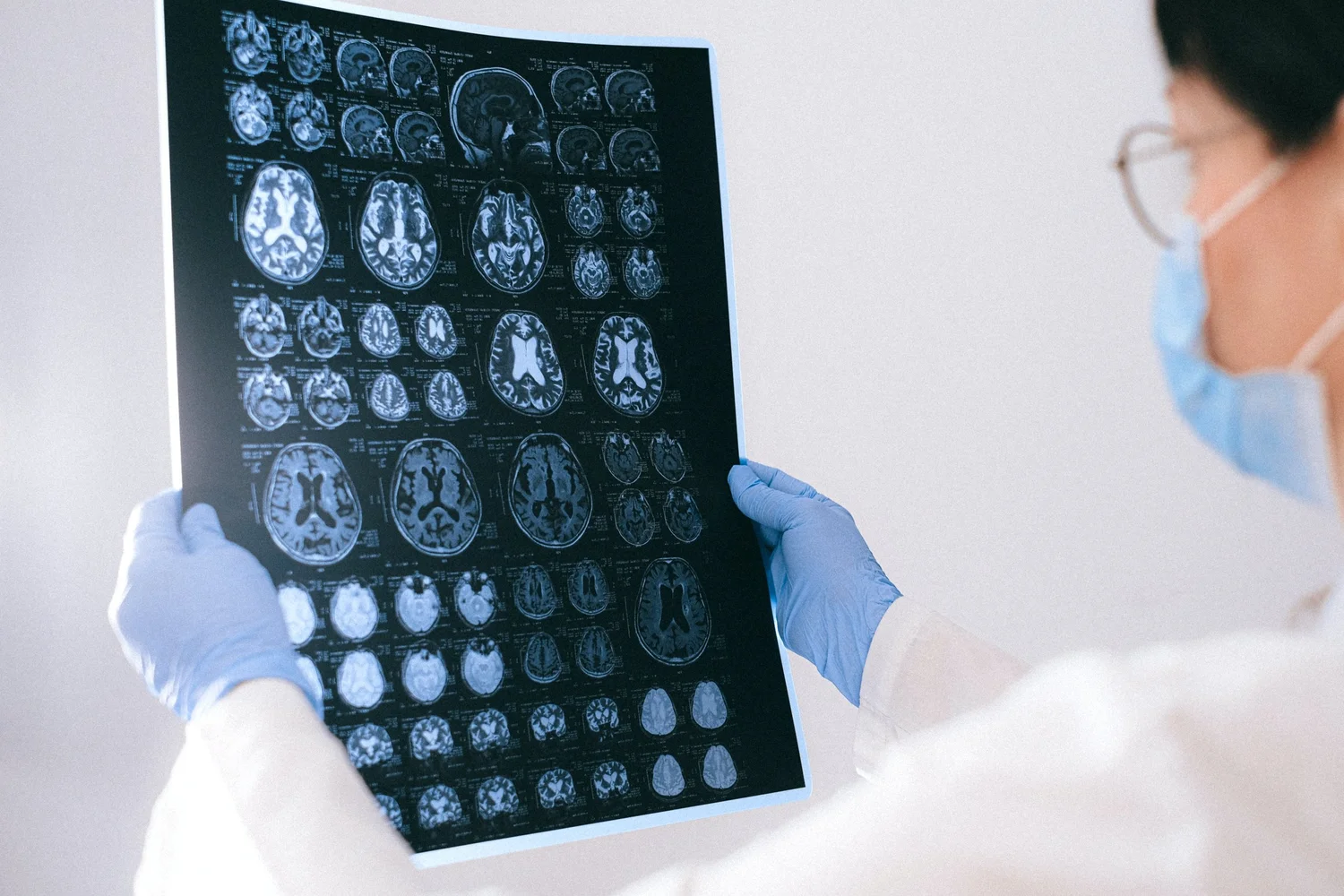
In general neurosurgery, diagnosis does not rely on a single imaging study.
During the evaluation process
- Detailed neurological examination
- Advanced imaging methods (MRI, CT)
- The progression of clinical findings over time are considered together.
- Surgical Decision and Practice
- When surgery becomes a consideration, each surgical plan is created on an individualized basis. The aim is to:
- Achieve the highest benefit with minimal intervention to neural tissue
- Increase precision through microsurgical techniques
- Preserve the patient’s quality of life in the long term
.
Follow-up and Continuity
A significant portion of general neurosurgical conditions are process-oriented rather than single-session treatments.
Therefore, after treatment:
- Detailed neurological examination
- Imaging controls
- Functional assessments
should be maintained in a planned and regular manner
.
- .
- .
- .
.
.
.
- .
- .
.