

Hydrocephalus
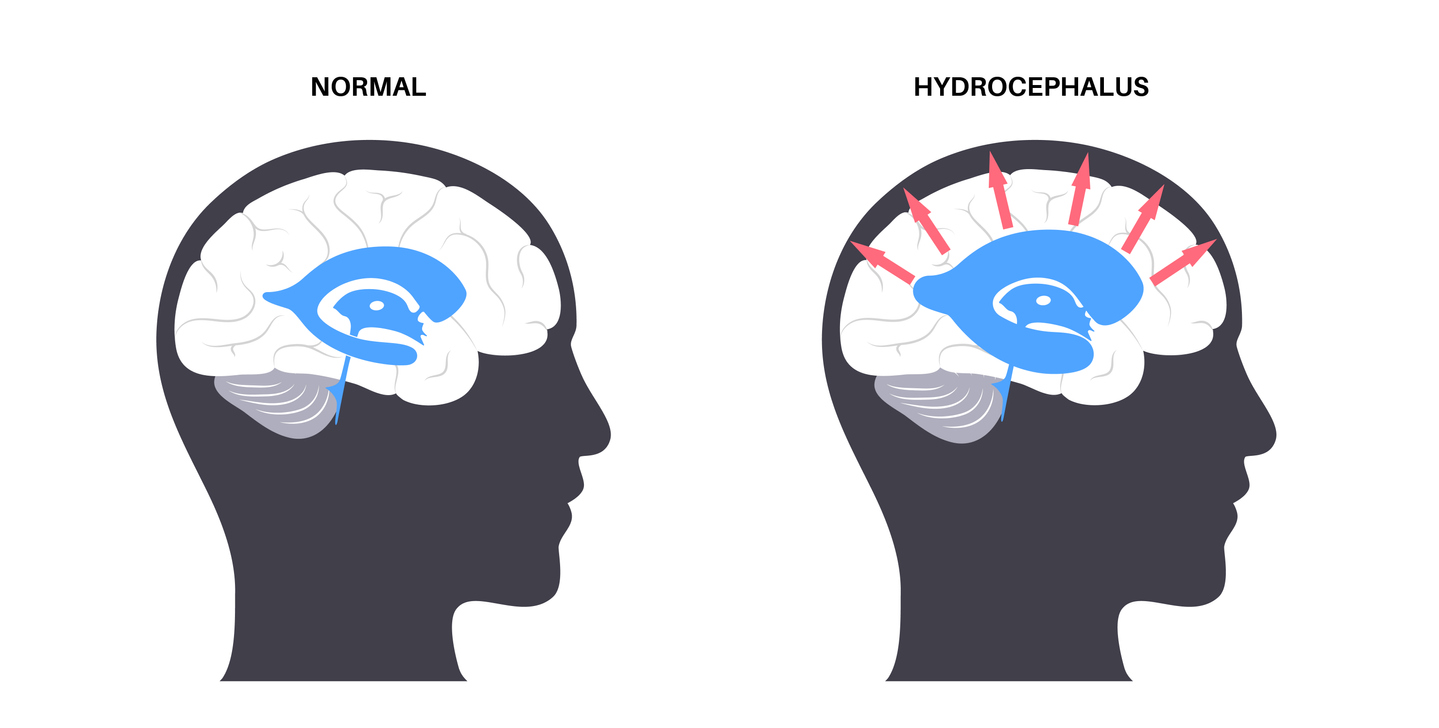
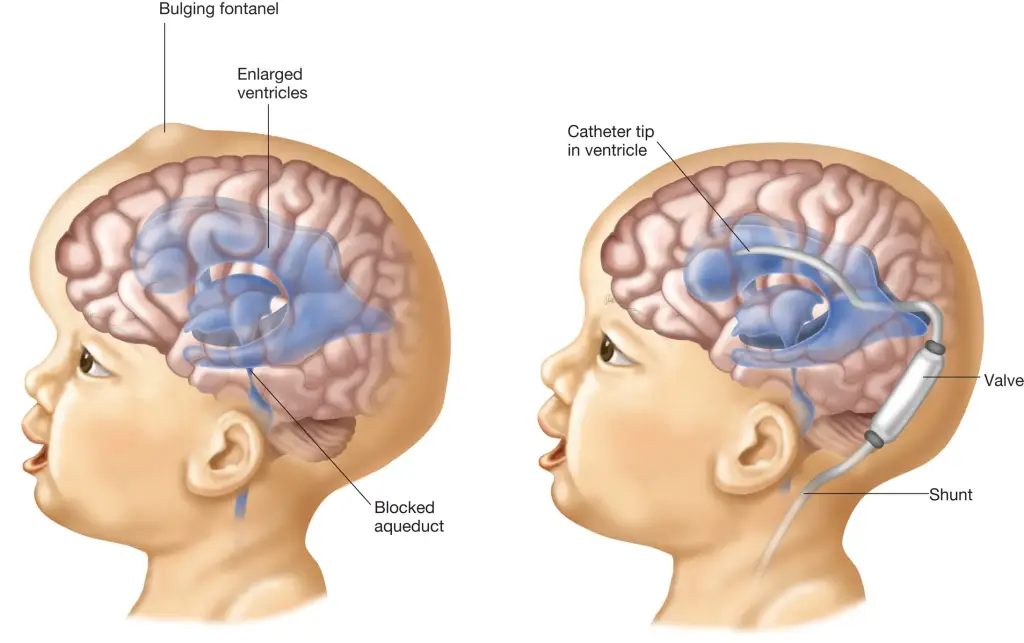
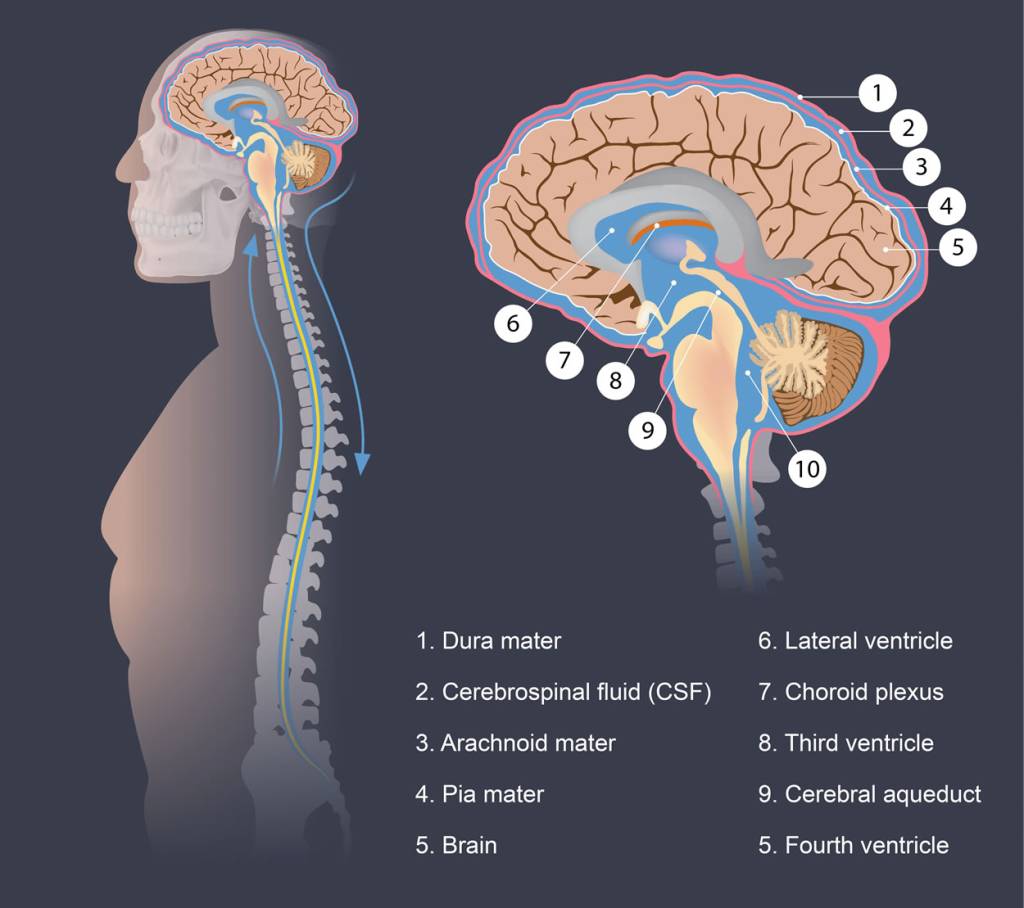
Hydrocephalus
Hydrocephalus, a key area within the clinical practice of Prof. Dr. Alper Kaya, is a dynamic neurological condition characterized by the accumulation of cerebrospinal fluid (CSF) within the brain ventricles due to impaired circulation, absorption, or drainage. Hydrocephalus may develop from infancy to advanced age and presents with distinct clinical features in pediatric and adult patients.
What Is Hydrocephalus?
Hydrocephalus is defined by an abnormal increase of CSF within the ventricular system of the brain. This accumulation may:
- Exert pressure on brain tissue
- Increase intracranial pressure
- Affect neurological functions
The clinical course varies depending on the underlying cause and the age at onset.
Each group requires distinct evaluation and treatment strategies
- Symptoms and Clinical Findings
- Symptoms vary by age group.
.
.
.
In pediatric patients:
- Rapid increase in head circumference
- Bulging fontanelle
- Vomiting and feeding difficulties
- Delayed developmental milestones
In adult patients:
- Headache
- Gait and balance disturbances
- Memory and attention difficulties
- Urinary incontinence
Diagnostic Evaluation
Diagnosis requires integration of clinical findings and imaging. The evaluation includes:
- Detailed neurological examination
- Magnetic Resonance Imaging (MRI)
- Computed Tomography (CT) when indicated
- Assessment of CSF circulation
The goal is to accurately define the cause, type, and clinical impact of hydrocephalus.
Treatment Approach
Treatment of hydrocephalus is individualized and etiology-specific. The treatment plan considers:
- Patient’s age
- Type of hydrocephalus
- Severity of clinical symptoms
When surgical treatment is indicated, the primary objectives are:
When surgical treatment is indicated, the primary objectives are:
- Safe diversion of CSF
- Regulation of intracranial pressure
- Preservation and improvement of neurological function
Follow-up and Long-Term Management
Hydrocephalus requires long-term follow-up. After treatment or during conservative management:
- Regular clinical evaluations
- Imaging-based monitoring
- Neurological and developmental assessments
are maintained within a structured follow-up plan. The goal is to ensure safe, stable, and sustained quality of life.