

Carpal Tunnel Syndrome
Carpal Tunnel Syndrome
frequently encountered in the clinical practice of Prof. Dr. Alper Kaya, is a peripheral nerve disorder caused by compression of the median nerve at the level of the wrist. When diagnosed early, it can be effectively managed before permanent nerve damage occurs.
What Is Carpal Tunnel Syndrome?
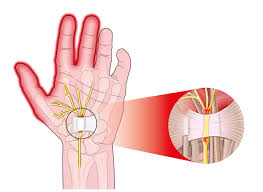
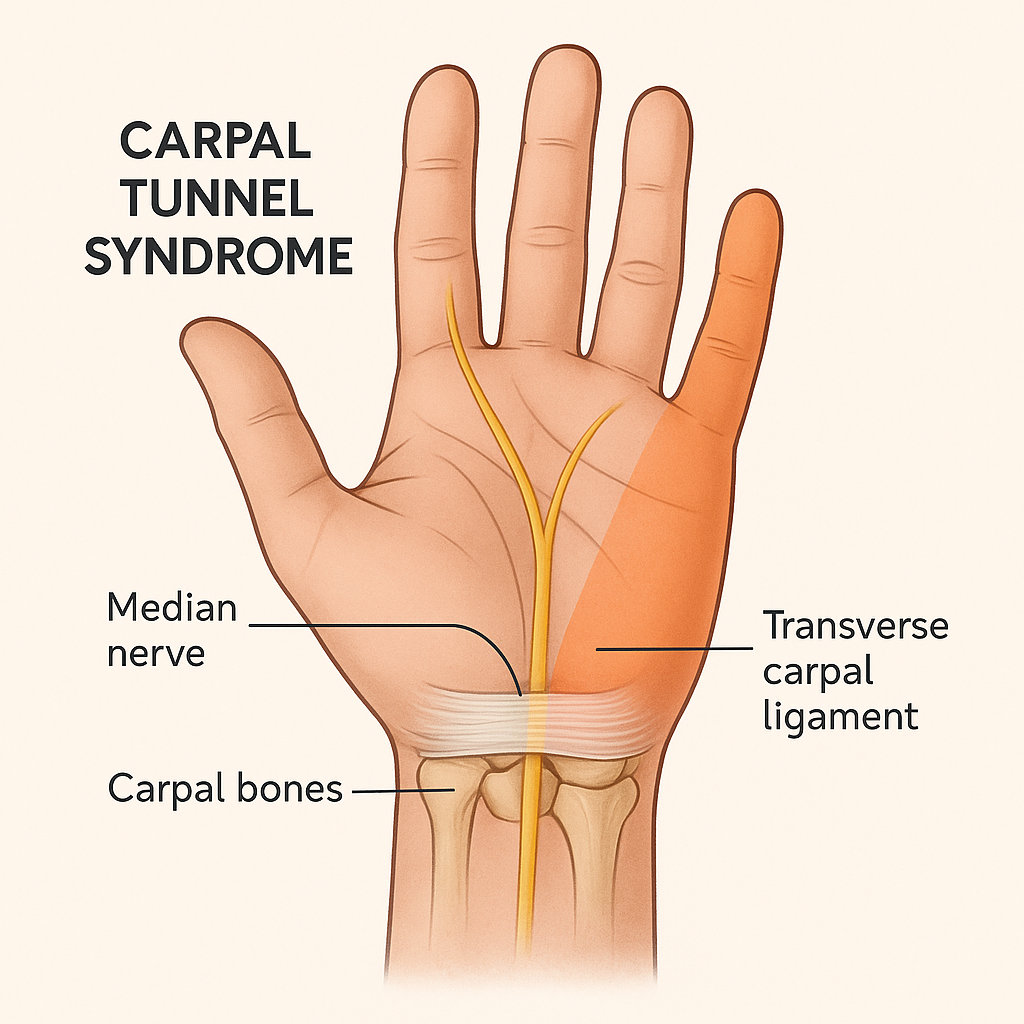
The carpal tunnel is a narrow passage in the wrist formed by bones and ligamentous structures. The median nerve passes through this tunnel, providing sensation to the thumb, index, middle, and part of the ring finger, as well as motor function to certain hand muscles.
Increased pressure within this tunnel leads to compression of the median nerve, resulting in carpal tunnel syndrome.
Bu tünel içinde basınç artışı oluştuğunda median sinir sıkışır ve karpal tünel sendromu ortaya çıkar.
Causes
Carpal tunnel syndrome often has multiple contributing factors, including:
- Repetitive wrist and hand movements
- Prolonged keyboard or mouse use
- Wrist trauma
- Diabetes and thyroid disorders
- Pregnancy and hormonal changes
.
Symptoms and Clinical Findings
Symptoms typically worsen at night and progress over time:
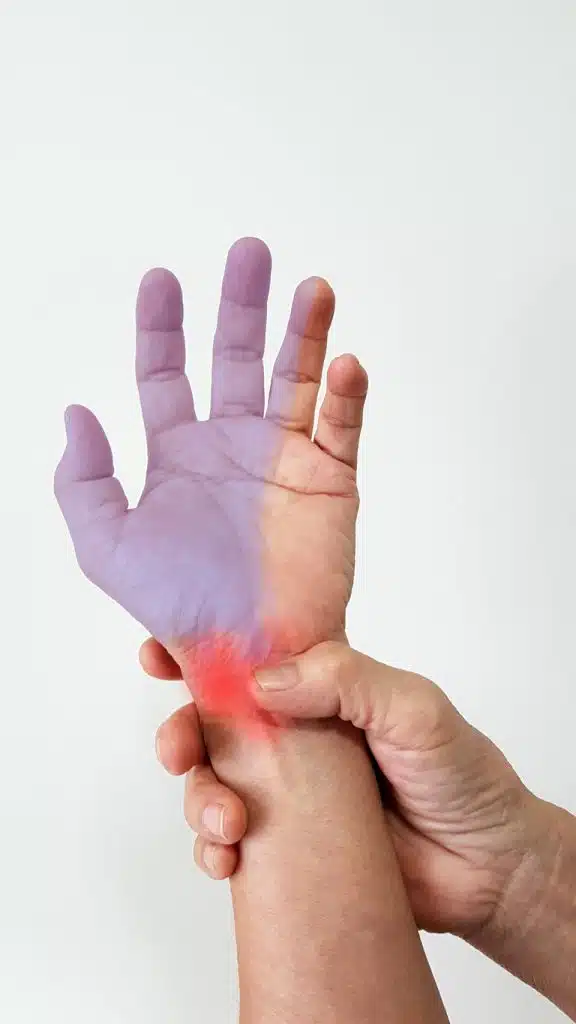
- Numbness and tingling in the thumb, index, and middle fingers
- Pain radiating from the hand to the forearm
- Decreased hand dexterity, dropping objects
- in advanced cases, weakness and atrophy of the thumb muscles
Diagnostic Evaluation
Diagnosis is not based solely on symptoms. The evaluation includes:
- Detailed neurological examination
- Electrophysiological studies (EMG)
- Imaging studies when necessary
The goal is to accurately determine the severity and duration of nerve compression.
Treatment Approach
Treatment is individualized and stage-dependent.
- Early-stage cases: rest, wrist splinting, and modification of daily activities
- Progressive cases: surgical intervention to relieve nerve compression
The primary surgical objective is:
- Safe decompression of the median nerve
- Preservation and improvement of nerve function
Post-Treatment Follow-up
Post-treatment care includes:
- Clinical follow-up
- Monitoring of hand function
• Adjustment of daily usage habits
The goal is long-term symptom relief and preservation of hand function.