

Spinal Tumors
Spinal Tumors
one of the key areas of expertise of Prof. Dr. Alper Kaya, are neurosurgical conditions that require a high level of precision and experience due to their close relationship with the spinal cord and spinal structures. These tumors are evaluated not only by their mass effect but also by their potential impact on neurological functions.
What Are Spinal Tumors?
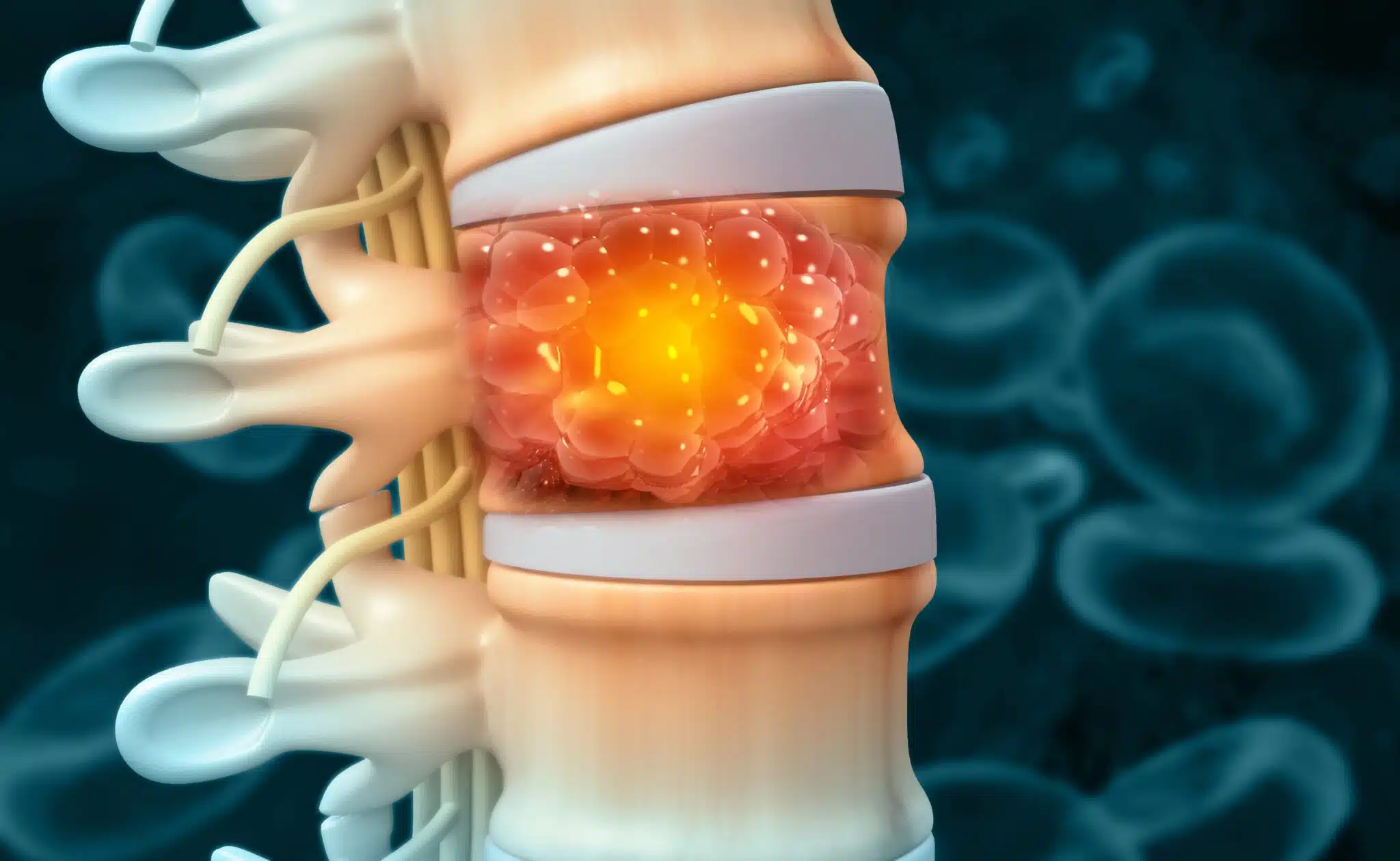
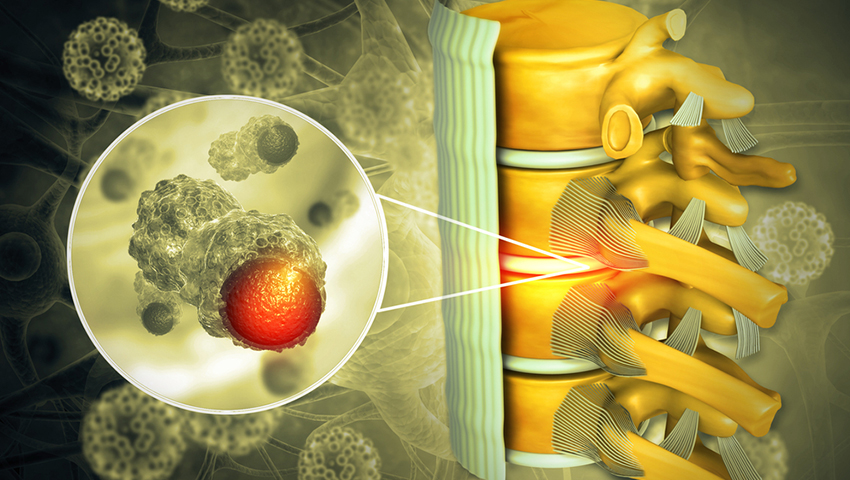
Spinal tumors are lesions that may arise from the vertebral bones, spinal cord, spinal membranes, or surrounding soft tissues. They may be:
- Benign or malignant
- Intramedullary (within the spinal cord)
- Originating from vertebral structures
- Omurga kemiklerinden köken alan yapılarda yerleşebilir
The location of the tumor directly influences symptoms and treatment strategies.
.
Symptoms of spinal tumors often progress gradually and insidiously. Common findings include:
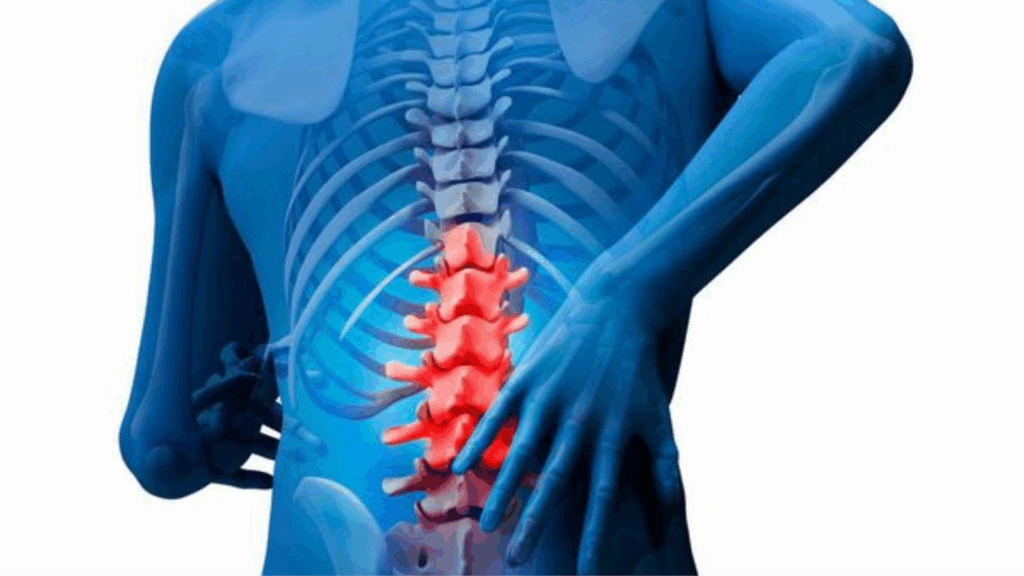
- Neck, back, or lower back pain
- Kollarda veya bacaklarda uyuşma, karıncalanma
- Muscle weakness
- In advanced cases, bladder and bowel dysfunction
- İleri olgularda idrar ve dışkı kontrolünde sorunlar
These symptoms are usually related to increasing pressure on the spinal cord or nerve roots.
Diagnostic Evaluation
Diagnosis is not based solely on imaging. The evaluation process includes:
- Detailed neurological examination
- Magnetic Resonance Imaging (MRI)
- Computed Tomography (CT) and advanced studies when necessary
- Assessment of the rate of clinical progression
The goal is to accurately define the type, extent, and relationship of the tumor to neural structures.
Surgical Treatment and Approach
The primary objectives of surgical treatment for spinal tumors are:
- Relief of pressure on the spinal cord and nerve structures
- Safe removal of the tumor within appropriate limits
- Preservation or restoration of spinal stability
Microsurgical techniques, advanced surgical planning, and spinal stabilization methods are evaluated together. Each surgical decision is made on an individualized basis, tailored to both the patient and the tumor.
Post-Treatment Follow-up
- Neurological examinations
- Regular radiological follow-up
The goal is to maintain neurological function and ensure long-term disease control.