

Cervical Disc Herniation
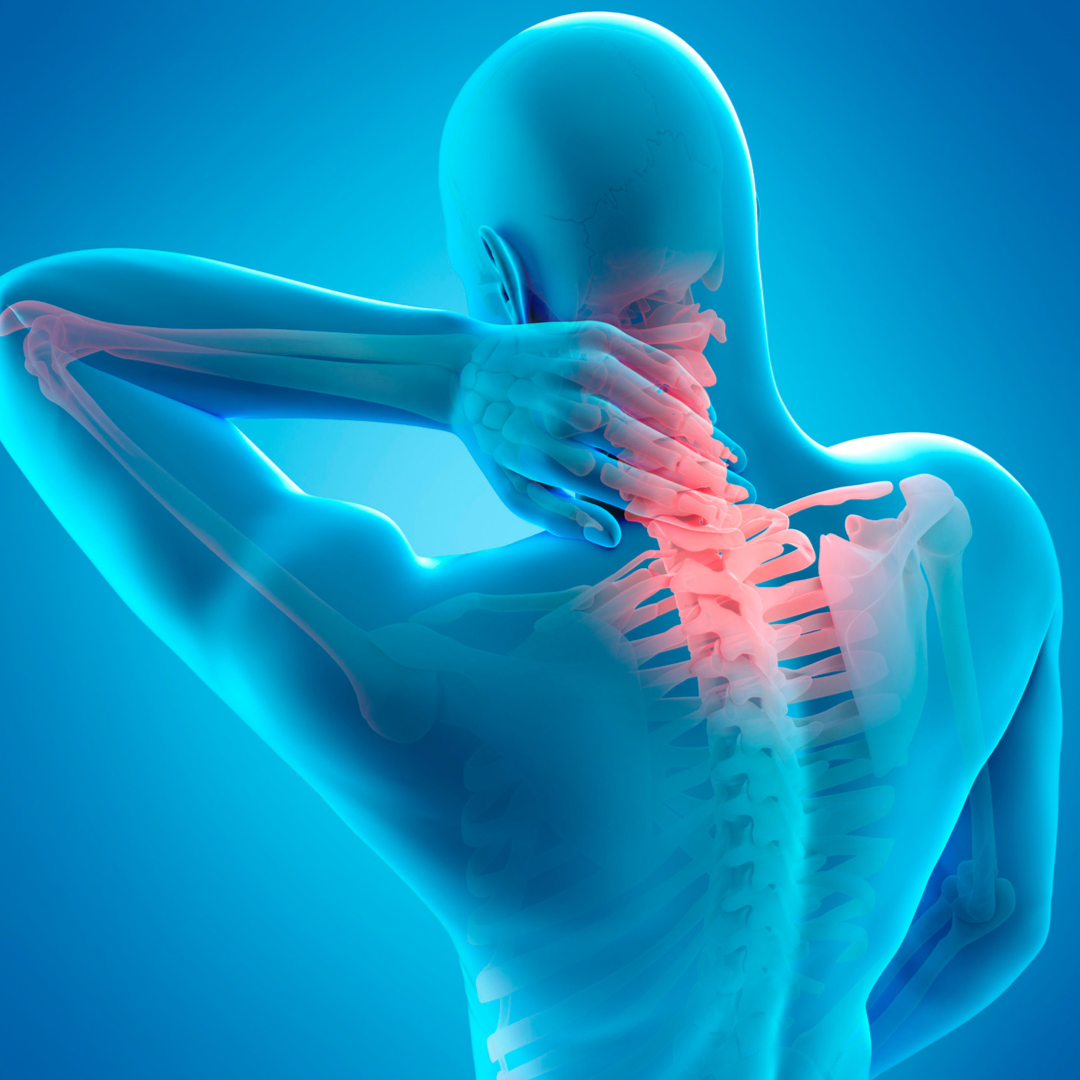
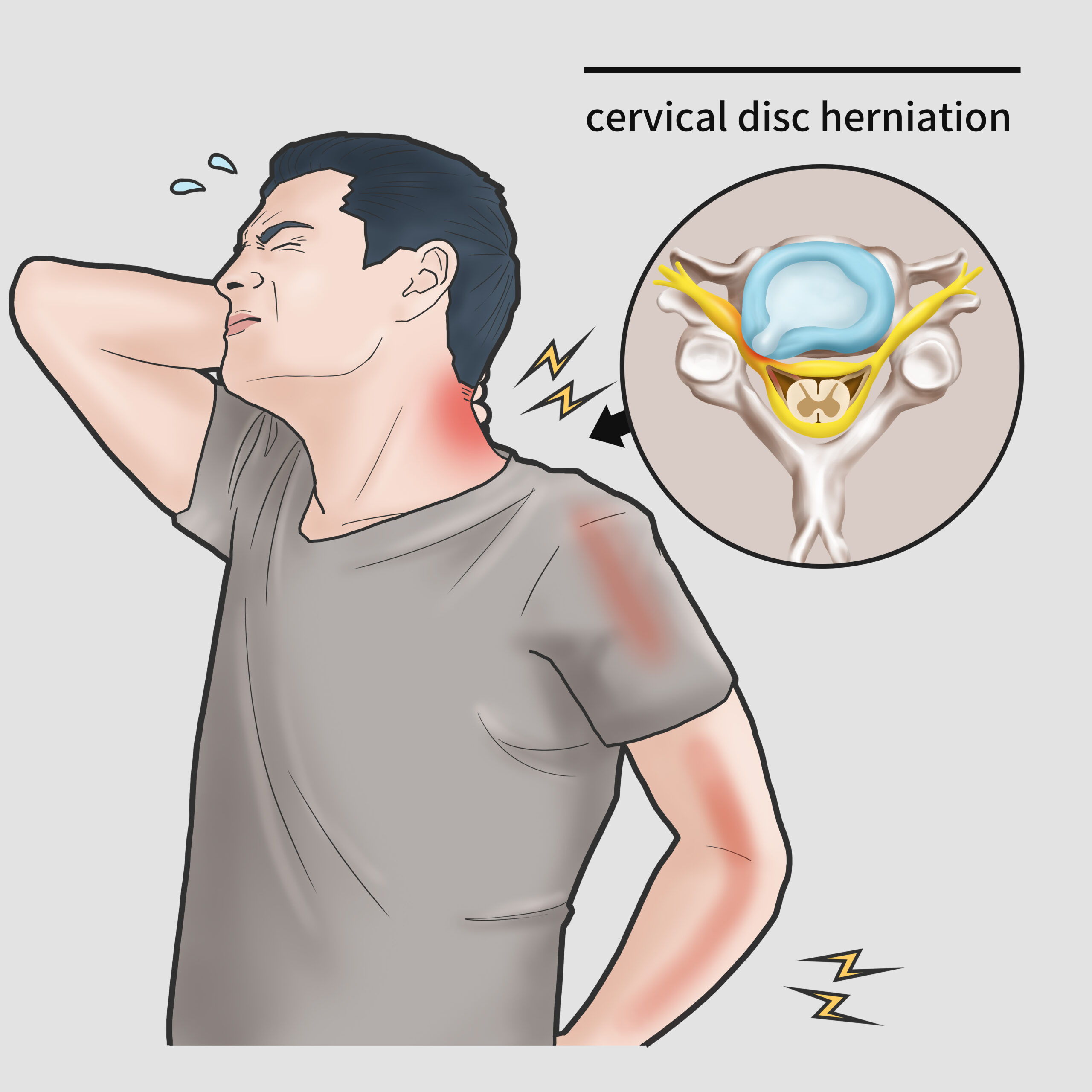
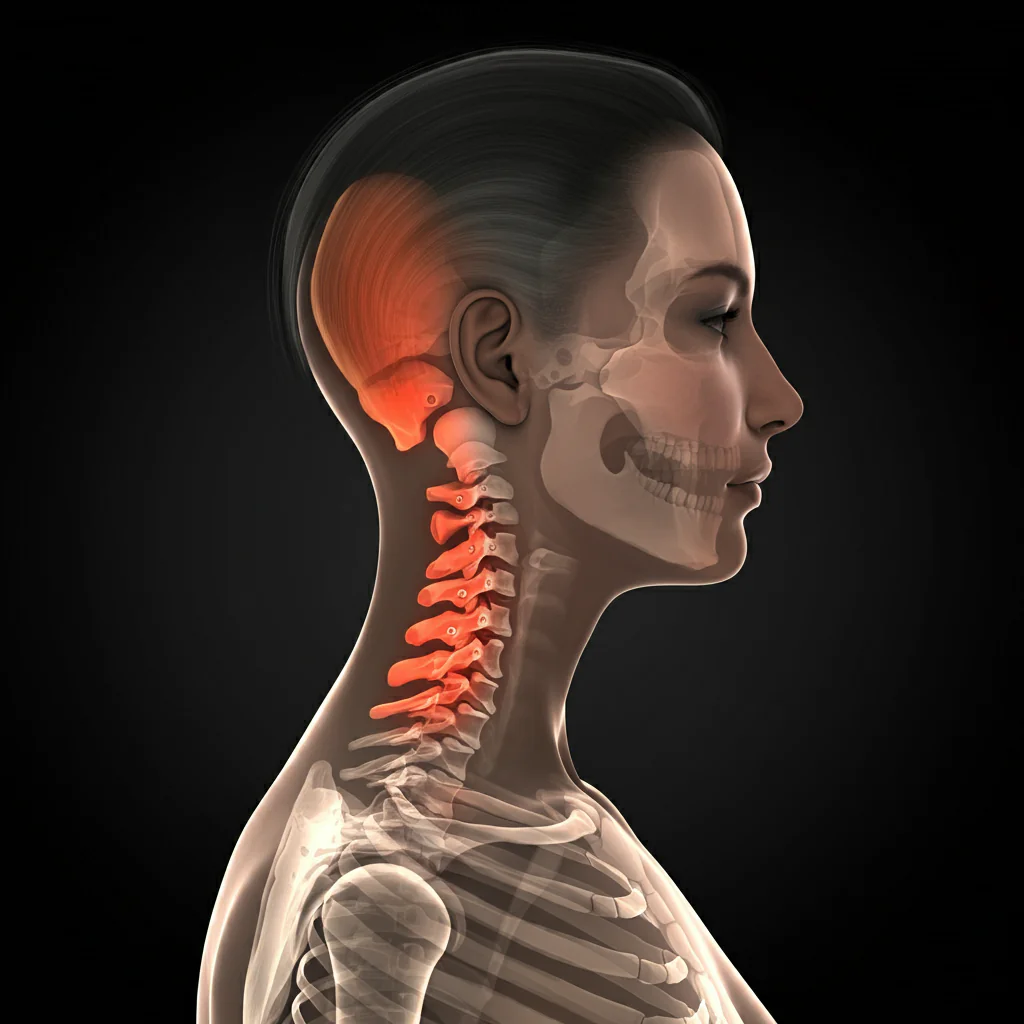
Cervical Disc Herniation
Cervical disc herniation, one of the conditions frequently encountered in the practice of Prof. Dr. Alper Kaya, occurs when the intervertebral discs in the cervical spine lose their structural integrity and compress the spinal cord or nerve roots. Prolonged screen use, sedentary work, and poor posture habits have significantly increased its prevalence today.
What Is Cervical Disc Herniation?
The discs in the cervical spine support head and neck movements and distribute mechanical load between vertebrae. When the outer layer of a disc weakens or tears, the inner material protrudes outward, resulting in cervical disc herniation. This may cause compression of the spinal cord or nerve roots, leading to pain and neurological symptoms.
Symptoms
Symptoms vary depending on the level of herniation and the degree of compression. Common symptoms include:
- Neck pain
- Pain radiating to the shoulder, arm, and hand
- Numbness and tingling in the arms
- Muscle weakness
- Pain aggravated by neck movements
In advanced cases, balance problems and difficulties with fine motor skills may occur.
Diagnostic Evaluation
Diagnosis is not based solely on imaging findings. The evaluation process includes:
- Detailed neurological examination
- Magnetic Resonance Imaging (MRI)
- Evaluation of the impact of symptoms on daily life
The goal is to establish clinical correlation between imaging findings and the patient’s complaints.
Treatment Approach
Surgery is not always the first-line treatment for cervical disc herniation. The treatment plan is determined by:
- Duration and severity of symptoms
- Presence of neurological deficits
- Impact on quality of life
When surgery is indicated, the primary goals are:
deficits are present, surgical treatment is considered. Surgical goals include:
- Relief of neural compression
- Preservation of healthy structures
- Restoration of a safe and functional life
Post-Treatment Follow-up
- Clinical evaluations
- Imaging when indicated
• Optimization of posture and lifestyle habits
within a structured follow-up plan.